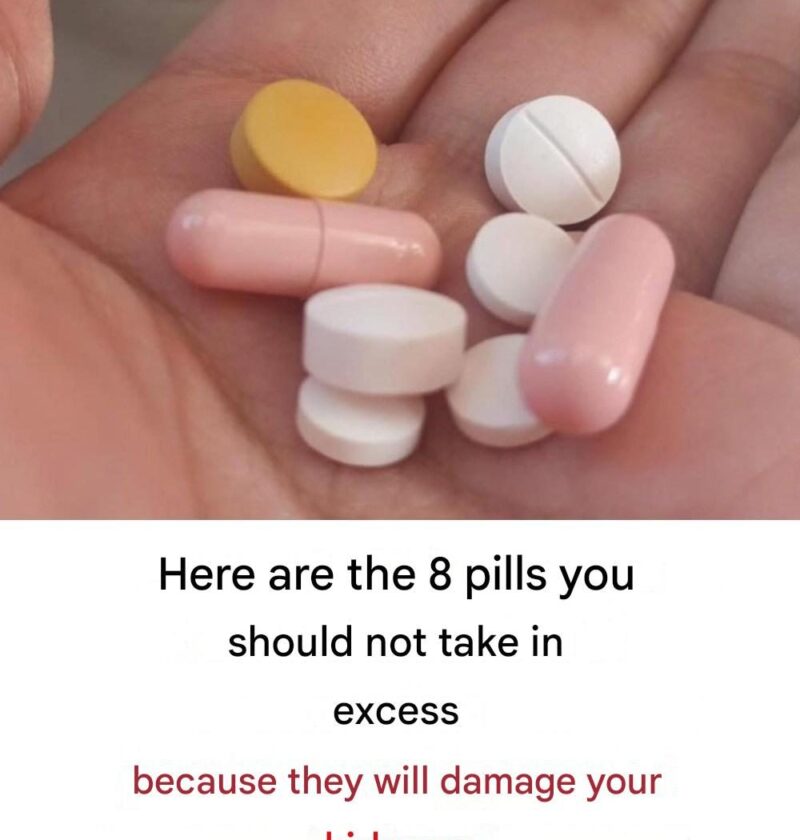
That kind of headline is oversimplified and misleading. There is no universal list of “8 pills you should never take,” because kidney risk depends on dose, duration, your health (especially blood pressure, diabetes), and hydration.
That said, some medications can stress or damage the kidneys if misused or taken long-term without supervision.
🧠 Medicines most commonly linked to kidney risk (when misused)
1. Painkillers (NSAIDs)
Examples:
- Ibuprofen
- Diclofenac
- Naproxen
These can reduce blood flow to kidneys if:
- taken in high doses
- used long-term
- used when dehydrated or elderly
2. Certain antibiotics
Examples:
- Aminoglycosides (like gentamicin)
- Vancomycin (in high doses or high-risk patients)
Usually safe when monitored, but can affect kidneys in sensitive cases.
3. Strong diuretics (“water pills”)
Used for blood pressure or swelling:
- Can dehydrate you if not balanced properly
- May stress kidneys if overused
4. Acid-reducing drugs (long-term use)
- Proton pump inhibitors (PPIs) like omeprazole
Long-term use has been linked in some studies to kidney issues in rare cases.
5. Certain blood pressure medicines (in specific situations)
- ACE inhibitors / ARBs
These are often kidney-protective long-term but can affect kidney function at the start or in dehydration.
6. Lithium (psychiatric medication)
- Requires regular kidney monitoring
- Long-term use can affect kidney function in some people
7. Contrast dye (for scans, not a pill but often included in warnings)
- Used in CT scans
- Can temporarily stress kidneys in high-risk patients
8. Herbal or “natural” supplements (big hidden risk)
- Some unregulated herbal products
- High-dose protein or bodybuilding supplements
- Contaminated or unknown ingredients
These are often more risky than prescription medicines because they are not regulated well.
🚨 Important reality check
The real risk factors for kidney damage are:
- Dehydration
- Diabetes
- High blood pressure
- Long-term uncontrolled medication use
- Self-medicating without guidance