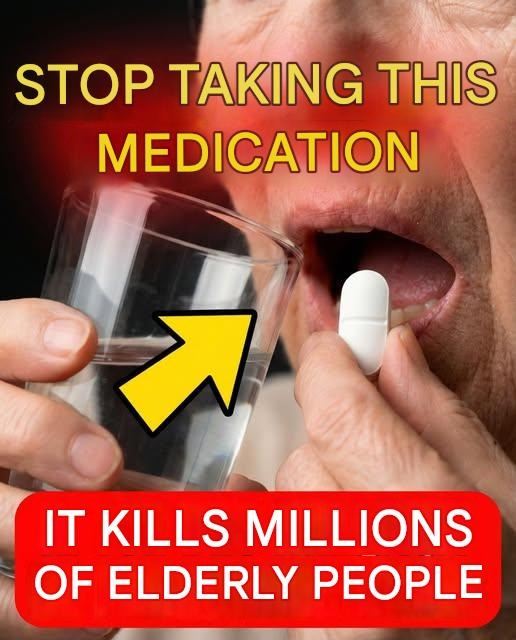
This is another fear-based clickbait headline. It’s built to sound like a secret warning, but real cardiology doesn’t work as a fixed “5 medications cause heart attacks” list.
A cardiologist would normally say: some medications can increase cardiovascular risk in certain people, depending on dose, health conditions, and duration—not that they are universally dangerous.
What this is usually referring to (real but misunderstood risks)
Some common medication groups sometimes discussed in this context:
1. NSAID pain relievers
Examples: ibuprofen, diclofenac
- Can raise blood pressure
- May slightly increase heart attack/stroke risk with long-term or high-dose use
- Risk higher in older adults or people with heart disease
2. Some decongestants
Example: pseudoephedrine
- Can increase heart rate and blood pressure
- Risky for people with hypertension or heart conditions
3. Hormone therapies (specific cases)
- Some estrogen-containing therapies can slightly increase clot risk
- Depends heavily on age and individual medical history
4. Steroids (long-term use)
- Can raise blood pressure and blood sugar
- Indirectly increases cardiovascular risk over time
5. Certain older or high-risk drugs in specific patients
- Some drugs may be avoided in high-risk individuals, but this is highly case-specific and not a universal “ban list”
Important reality check
- These medications are often prescribed because their benefits outweigh risks
- Risk is usually relative and context-dependent
- Stopping medication suddenly can be more dangerous than the side effects
Why posts like this are misleading
They:
- don’t mention dosage or duration
- ignore patient differences
- turn “possible risk increase” into “causes heart attack”
- create unnecessary fear around normal treatments
Bottom line