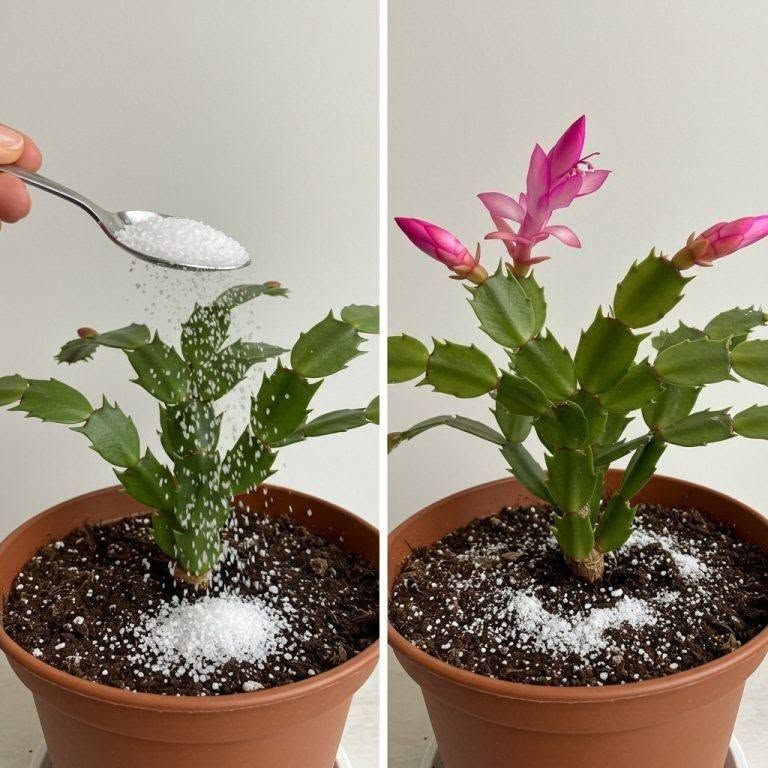
Fall Awakening: Breathing Life into House Flowers With a Little Secret
As the seasons change, many houseplants slow their growth because of shorter days and cooler temperatures. With a few simple adjustments, you can help your indoor plants stay healthy and encourage fresh growth.
1. Adjust Your Watering Routine
In autumn and winter, many plants use less water because growth slows.
Tips:
- Check the soil before watering.
- Water only when the top layer of soil feels dry (the exact depth depends on the plant).
- Avoid letting roots sit in standing water.
Overwatering is one of the most common causes of houseplant problems.
2. Give Plants the Right Light
Shorter autumn days mean less natural light.
Try:
- Moving plants closer to a bright window (while avoiding harsh cold drafts).
- Rotating pots regularly so all sides receive light.
- Cleaning dusty leaves so they can absorb more light.
3. Feed at the Right Time
Many plants need less fertilizer during their slower growth period.
A balanced houseplant fertilizer may help during active growth, but avoid heavy feeding when a plant is resting. Too much fertilizer can damage roots.
4. The “Little Secret”: Healthy Soil
A simple way to support many houseplants is improving the soil environment.
Helpful additions can include:
- Compost or well-aged organic matter (for suitable plants)
- Fresh potting mix when repotting is needed
- Good drainage materials
Healthy roots are the foundation of healthy leaves and flowers.
5. Increase Humidity for Tropical Plants
Plants such as orchids, peace lilies, and many tropical houseplants often prefer more humidity.
You can help by:
- Grouping plants together
- Using a humidifier
- Keeping plants away from dry heating vents
6. Remove Tired Growth
Regular maintenance helps plants focus energy on healthy growth:
- Remove yellow or dead leaves
- Trim damaged stems
- Check for pests under leaves
7. Watch for Seasonal Pests
Indoor plants can attract pests when they are brought indoors or when heating systems create dry conditions.
Look for:
- Sticky leaves
- Tiny insects
- Webbing
- Leaf spots
Early treatment is usually easier than dealing with a large infestation.