
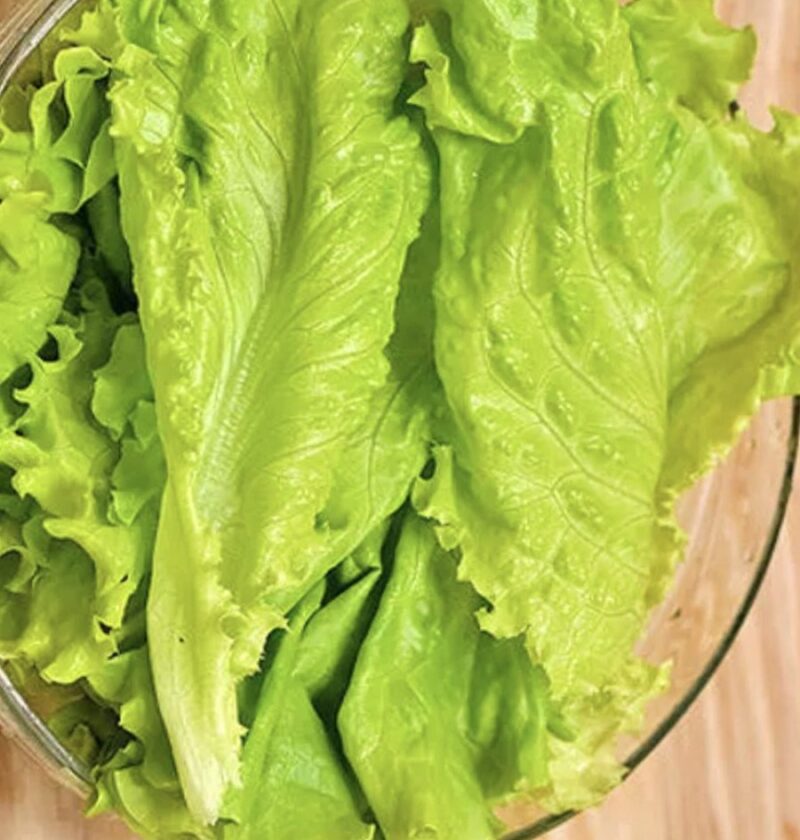
Understanding the Viral Claim About Lettuce and Winter Health Risks
In recent years, social media and health blogs have circulated claims suggesting that eating lettuce during winter may increase health risks. Some versions of this statement even attribute warnings to “doctors,” implying that raw lettuce becomes unsafe or harmful in colder months.
However, when examined through a scientific and food safety perspective, this claim is misleading and oversimplified. There is no credible medical evidence showing that lettuce itself becomes inherently dangerous in winter. Instead, the discussion should focus on broader topics such as food handling, contamination risks, seasonal food storage practices, and immune system changes during colder months.
This article explores the truth behind these claims using food safety research, nutrition science, and general dietary guidelines. It is designed to rank for high-search keywords such as:
- is lettuce safe to eat in winter
- raw vegetables in cold weather health effects
- leafy greens food safety risks
- winter diet myths and facts
- lettuce contamination risks explained
- healthy eating habits in winter season
Does Winter Change the Safety of Lettuce?
The most important fact to understand is that lettuce does not chemically or biologically change in a way that makes it more dangerous simply because of the season. Lettuce grown, stored, and sold in winter is generally subject to the same food safety standards as in other seasons.
What can change, however, are external factors such as:
- Storage temperature fluctuations
- Transportation conditions
- Indoor contamination risks
- Reduced freshness due to long supply chains
- Improper handling at home
These are not unique to lettuce or winter, but they may become more noticeable during colder months when food is often stored for longer periods or transported over greater distances.
The Real Concern: Foodborne Illness and Raw Leafy Greens
When discussing lettuce safety, the real scientific concern is not the season but the risk of contamination in raw leafy vegetables.
Lettuce and other greens such as spinach and arugula can sometimes carry harmful microorganisms if not properly handled or washed. These may include bacteria such as:
- E. coli
- Salmonella
- Listeria monocytogenes
These pathogens are not specific to winter, but they are part of general food safety risks associated with raw produce.
This is why food safety experts consistently recommend:
- Washing lettuce thoroughly before eating
- Using clean water during preparation
- Storing greens at proper refrigeration temperatures
- Avoiding cross-contamination with raw meat or unclean surfaces
Why People Think Lettuce Is Riskier in Winter
The belief that lettuce becomes risky in winter likely comes from a combination of misunderstandings and general seasonal health concerns.
1. Seasonal Illness Confusion
Winter is commonly associated with flu and cold infections. People may mistakenly connect unrelated dietary habits with seasonal illness patterns.
2. Reduced Freshness in Cold Supply Chains
In some regions, winter produce may travel longer distances, which can sometimes affect freshness. However, this does not automatically make the food unsafe if handled properly.
3. Indoor Storage Practices
During colder months, people may store vegetables longer or in less ideal conditions, increasing spoilage risk.
4. Online Misinformation
Social media often amplifies dramatic health warnings without scientific backing, contributing to confusion about everyday foods like lettuce.
Nutritional Value of Lettuce in Any Season
Despite misconceptions, lettuce remains a healthy low-calorie vegetable that provides several nutritional benefits throughout the year.
It is commonly included in searches like:
- benefits of eating lettuce daily
- nutrition facts of leafy greens
- healthy salad ingredients for weight loss
- vitamin-rich vegetables for diet
Lettuce typically contains:
- Water for hydration
- Dietary fiber for digestion
- Vitamin K for bone health
- Folate for cell function
- Small amounts of vitamins A and C
Because of its high water content and low calorie density, lettuce is often included in weight management and balanced diet plans.
Can Eating Raw Vegetables Affect Digestion in Winter?
Some people report feeling bloated or uncomfortable when eating raw salads during colder months. This is not due to lettuce being unsafe, but rather due to individual digestive sensitivity.
Possible reasons include:
- Cold foods affecting digestion comfort
- Lower physical activity in winter
- Changes in gut sensitivity due to diet shifts
- Reduced hydration intake
Warm meals are often preferred in winter for comfort, but raw vegetables like lettuce remain safe and nutritious when properly prepared.
Proper Ways to Safely Consume Lettuce
Food safety experts recommend simple practices to reduce any risk associated with raw vegetables:
Wash Thoroughly
Rinse lettuce under clean running water to remove dirt and potential contaminants.
Store Properly
Keep lettuce refrigerated at safe temperatures to maintain freshness.
Use Clean Cutting Surfaces
Avoid cross-contamination with raw meat or unclean utensils.
Consume Fresh
Eat lettuce soon after purchase for best quality and safety.
Debunking the “Doctors Warn Against Lettuce in Winter” Claim
There is no recognized medical guideline or public health recommendation that warns against eating lettuce specifically during winter.
Health authorities such as food safety organizations consistently emphasize that fruits and vegetables are important parts of a balanced diet year-round.
If any concerns exist, they are related to:
- Improper food handling
- Contaminated water sources
- Poor storage conditions
Not the seasonal timing of consumption.
Should You Avoid Lettuce in Cold Weather?
From a nutritional and scientific perspective, there is no reason to avoid lettuce in winter if it is fresh, properly washed, and safely stored.
However, personal preference plays a role. Some individuals may prefer cooked vegetables in colder months for comfort, but this is not a safety requirement.
A balanced winter diet can include:
- Fresh salads
- Cooked vegetables
- Soups and stews
- Seasonal fruits
Variety is more important than avoiding specific foods without scientific justification.
Final Thoughts on Lettuce and Winter Health Myths
The idea that eating lettuce in winter increases health risks is not supported by scientific evidence. Instead, food safety depends on hygiene, storage, and handling practices rather than seasonal changes.
Lettuce remains a nutritious and safe vegetable when properly prepared, regardless of the time of year. Misleading claims often arise from confusion between seasonal illness trends and unrelated dietary habits.
A well-informed approach to nutrition focuses on balanced eating, safe food preparation, and evidence-based guidance rather than viral myths.
Part 2: Simple Guide – Lettuce Safety in Winter
Key Points About Eating Lettuce in Cold Weather
- Lettuce does not become unsafe in winter.
- Food safety depends on washing and storage, not season.
- Raw leafy greens can carry bacteria if not cleaned properly.
- Proper refrigeration keeps lettuce fresh and safe.
- A balanced diet can include both raw and cooked vegetables in winter.
Simple Safety Steps
- Rinse lettuce thoroughly under clean water.
- Store it in the refrigerator.
- Use clean knives and cutting boards.
- Eat it fresh for best quality.
- Avoid leaving it at room temperature for long periods.