Full Guide to Longevity, Aging, and Common Reasons Lifespan Declines After 80
Understanding the Claim About Life Expectancy After 80
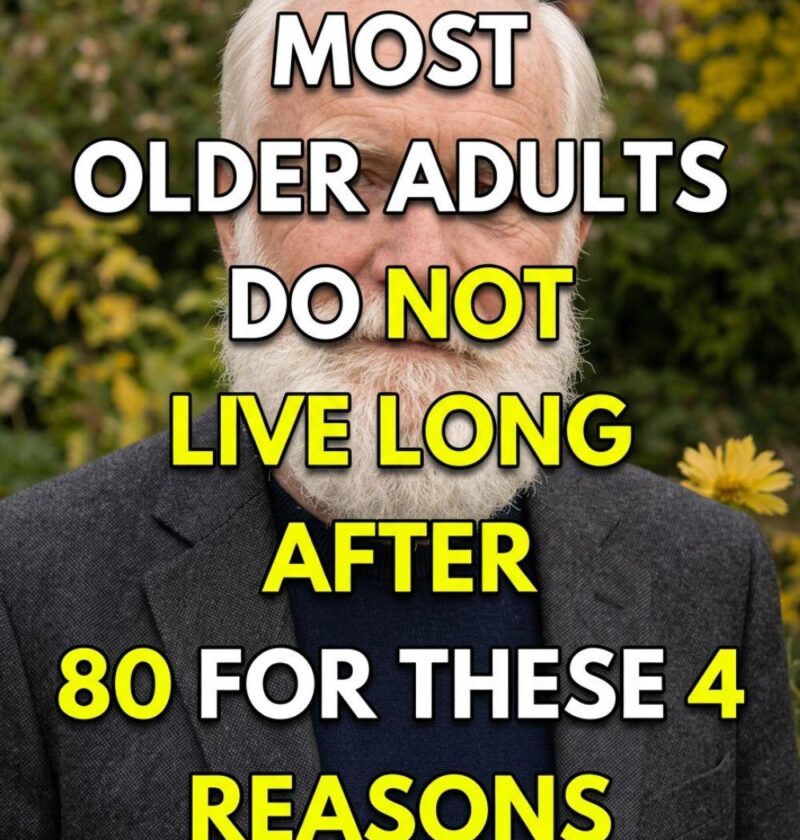
Statements like “Most older adults don’t live much past 80: here are 4 reasons” are often shared in health articles and social media posts discussing aging and longevity. While they may sound alarming, they usually reflect general population trends rather than strict biological limits.
In many countries, life expectancy has increased significantly over the past century. However, reaching very advanced age (beyond 80–90 years) becomes statistically less common due to a combination of biological aging, chronic disease risk, and lifestyle factors.
This article explores the real, science-based reasons why mortality risk increases after age 80, using commonly searched topics such as:
- why life expectancy drops after 80
- health risks in elderly people
- aging and chronic diseases
- longevity factors for seniors
- why people die after old age
1. Natural Aging of the Body and Organ Decline
One of the primary reasons longevity decreases after 80 is the natural aging process.
As the body grows older:
- Cells regenerate more slowly
- Organs become less efficient
- Tissue repair takes longer
- Immune response weakens
This gradual decline affects all major systems including the heart, lungs, kidneys, and brain.
Over time, even small health stresses can have a greater impact on older adults because the body has reduced resilience.
2. Increased Risk of Chronic Diseases
By the time people reach their 70s and 80s, the likelihood of chronic health conditions increases significantly.
Common age-related diseases include:
- Heart disease
- Stroke
- Type 2 diabetes
- Chronic respiratory disease
- Kidney disease
- Cancer
These conditions are among the leading contributors to reduced life expectancy in older populations.
In many cases, it is not a single illness but the combination of multiple chronic conditions that affects overall health outcomes.
3. Weakened Immune System and Higher Infection Risk
Aging affects the immune system, a process known as immunosenescence. This means the body becomes less effective at fighting infections and responding to illness.
As a result, older adults are more vulnerable to:
- Pneumonia
- Influenza
- Urinary tract infections
- Post-surgical complications
Even common infections can become more serious in older age due to slower recovery and reduced immune response.
4. Reduced Physical Strength and Increased Frailty
Frailty is a common condition in very old age that involves decreased muscle strength, slower movement, and reduced energy levels.
Factors contributing to frailty include:
- Loss of muscle mass (sarcopenia)
- Reduced bone density
- Balance problems and falls
- Lower physical activity levels
Falls and related complications are a major health risk in adults over 80 and can significantly impact survival and independence.
Other Important Factors That Affect Longevity
While the “4 reasons” are commonly highlighted, several additional factors also play a role:
Lifestyle History
Long-term habits such as smoking, poor diet, or lack of exercise can affect health later in life.
Access to Healthcare
Regular medical care, early diagnosis, and treatment significantly improve outcomes.
Mental Health and Cognitive Decline
Conditions such as dementia and Alzheimer’s disease can affect overall health and independence.
Genetics
Family history can influence susceptibility to certain diseases and longevity patterns.
Why Some People Live Well Beyond 80
Despite statistical trends, many individuals live into their 90s or even reach 100+ years. This is often due to:
- Healthy diet and active lifestyle
- Strong social connections
- Good medical care
- Low stress levels
- Genetic advantages
This shows that aging outcomes vary widely between individuals.
Final Thoughts on Aging and Life Expectancy
The idea that “most people don’t live much past 80” is a simplified way of describing increased health risks with age. In reality, aging is a complex process influenced by biology, lifestyle, environment, and healthcare access.
While risks do increase after 80, many people continue to live meaningful, active lives well beyond this age with proper care and healthy habits.
Understanding these factors helps shift the focus from fear to prevention, wellness, and quality of life in older age.
Part 2: Simple Summary – Why Health Risks Increase After 80
Main Reasons
- Natural aging of organs and cells
- Higher risk of chronic diseases
- Weaker immune system
- Reduced muscle strength and mobility
Important Reminder
- Aging is not a fixed limit
- Lifestyle and healthcare greatly influence longevity
- Many people live well beyond 80 with good health habits