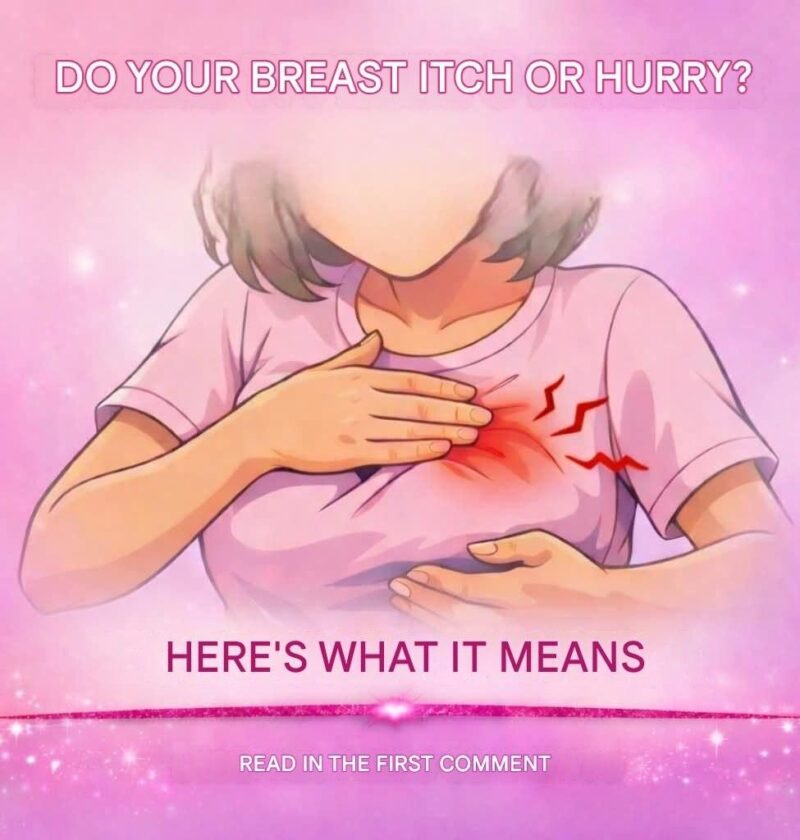
What you’re describing—itching, burning, or breast pain—is something many women do report in clinical settings and online discussions. However, the claim that it is “increasingly common in recent years across all ages” is harder to support in a general medical sense. There isn’t strong population-level evidence showing a broad, universal rise in these symptoms; what we do see is improved awareness, more self-reporting, and easier online sharing, which can make it feel more widespread than it statistically is.
That said, breast discomfort is genuinely common and has a wide range of causes. Most are not dangerous, but they can be uncomfortable and sometimes persistent.
Common (usually benign) causes
Hormonal changes are the most frequent explanation. Fluctuations in estrogen and progesterone—especially before periods, during perimenopause, or with hormonal contraception—can cause:
- Cyclical breast tenderness
- Swelling or heaviness
- Mild burning or sensitivity
Skin-related causes can also lead to itching or irritation:
- Dry skin or eczema
- Allergic reactions (soaps, detergents, bras, lotions)
- Heat rash or sweating in humid conditions
Muscle or nerve-related issues are another overlooked category:
- Costochondritis (inflammation of chest wall cartilage)
- Pinched nerves from posture or exercise strain
- Fibrocystic breast changes (lumpy, tender tissue that fluctuates with hormones)
Less common but important causes
Some conditions require medical evaluation, especially if symptoms are new or persistent:
- Breast infections (mastitis or abscess, more common during breastfeeding)
- Shingles (burning pain before a rash appears)
- Benign lumps like cysts or fibroadenomas
- Rarely, inflammatory breast cancer (usually with skin changes like redness, thickening, or rapid swelling)
When to get checked
It’s a good idea to see a clinician if you notice:
- A new lump that doesn’t go away after a cycle
- Persistent, localized pain in one spot
- Skin changes (dimpling, redness, scaling, “orange peel” texture)
- Nipple discharge (especially bloody or spontaneous)
- Symptoms lasting more than a few weeks without explanation
About online reports
Support groups and forums can be helpful for shared experience, but they often create a “visibility bias”: people who are uncomfortable are more likely to post than those who aren’t, which can make a symptom seem more widespread than it is in the general population.
If you want, you can tell me the specific pattern you’re noticing (cyclical vs constant, one breast vs both, any skin changes), and I can help narrow down the most likely explanations.