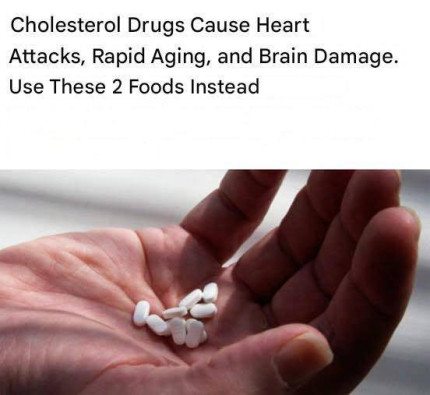
The controversy around cholesterol drugs—especially statins—often comes from a mix of real side effects, differing views on who should take them, and misinformation circulating online.
What are cholesterol drugs?
The most commonly prescribed cholesterol-lowering medications are:
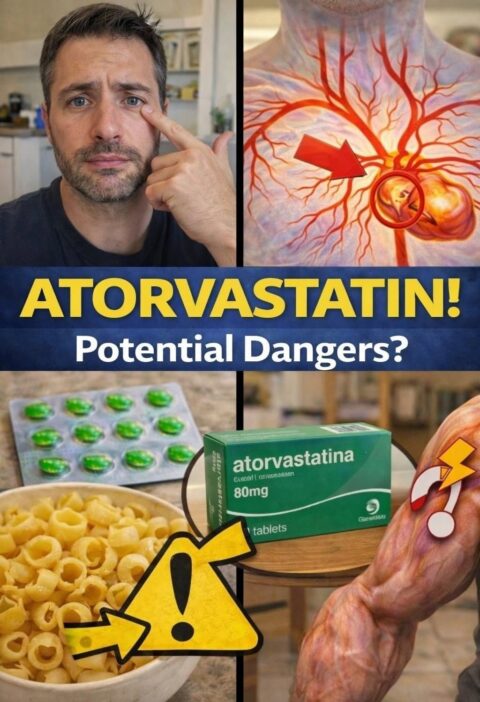
- Atorvastatin
- Rosuvastatin
- Simvastatin
These belong to a class called statins, which lower LDL (“bad”) cholesterol and reduce the risk of heart attacks and strokes.
Why they’re prescribed
For many people at elevated cardiovascular risk, statins have been shown to:
- Lower LDL cholesterol
- Reduce the risk of heart attack
- Reduce the risk of stroke
- Lower the risk of cardiovascular death
The benefits are strongest in people who already have cardiovascular disease or are at high risk for it.
Where the controversy comes from
1. Side effects are real—but often misunderstood
Some people experience:
- Muscle aches or weakness
- Digestive symptoms
- Mild increases in blood sugar
Serious side effects are uncommon, but they can occur.
2. Debate about who should take them
Most experts agree that statins benefit people with:
- Established heart disease
- Previous heart attack or stroke
- Very high LDL cholesterol
There is more discussion about use in people at lower risk, where the benefits may be smaller.
3. Online claims often overstate harms
You may see claims that statins:
- Cause widespread memory loss
- Are a pharmaceutical scam
- Do more harm than good
These claims are generally not supported by the overall body of evidence. However, individual experiences with side effects can vary.
What experts generally agree on
- Cholesterol itself is not “evil”; your body needs it.
- Very high LDL cholesterol is a well-established risk factor for cardiovascular disease.
- Lifestyle measures remain important:
- Healthy diet
- Regular exercise
- Not smoking
- Weight management
- Medication and lifestyle are often complementary, not either/or.
Bottom line
The “truth behind the controversy” is that cholesterol drugs are neither miracle cures nor hidden poisons. For many people at significant cardiovascular risk, they provide meaningful protection against heart attacks and strokes. They also have potential side effects, which is why treatment decisions should be individualized and discussed with a healthcare professional.