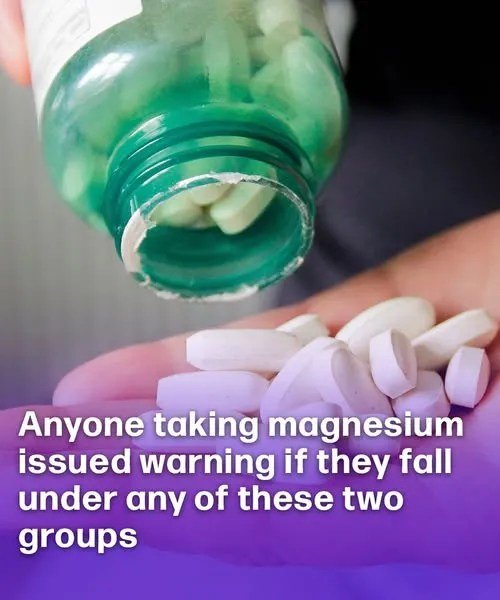
Magnesium Supplements and Safety – What Health Experts Want You to Know
⚠️ Why Magnesium Supplements Are Getting More Attention
Magnesium is an essential mineral involved in hundreds of processes in the body, including muscle function, nerve signaling, energy production, and heart rhythm regulation. Because of its importance, magnesium supplements have become widely used for sleep support, muscle cramps, and general wellness.
However, health professionals emphasize that while magnesium is generally safe for most people when used appropriately, supplement use is not risk-free for everyone, especially at high doses or in people with certain medical conditions.
The key concern is not dietary magnesium from food, but excess intake from supplements, which can sometimes lead to unwanted effects.
🧪 What Magnesium Does in the Body
Magnesium supports several vital functions, including:
- Muscle contraction and relaxation
- Nervous system regulation
- Blood pressure balance
- Heart rhythm stability
- Energy metabolism
- Bone structure maintenance
Because of these roles, low magnesium levels may contribute to symptoms like fatigue, muscle cramps, or poor sleep in some individuals.
💊 Why Supplement Safety Matters
Magnesium from food (such as nuts, seeds, legumes, and leafy greens) is rarely harmful because the body naturally regulates absorption. Supplements, however, can deliver much higher doses, which may not be suitable for everyone.
Excess magnesium from supplements can sometimes cause:
- Diarrhea
- Nausea
- Low blood pressure
- Irregular heartbeat (in severe cases)
This is why dosage and medical guidance are important.
⚠️ High-Risk Groups Who Should Be Cautious
Health experts often advise extra caution for certain groups:
🧓 1. People With Kidney Disease or Reduced Kidney Function
The kidneys are responsible for removing excess magnesium from the body. When kidney function is impaired, magnesium can build up in the blood.
This may increase the risk of:
- Magnesium toxicity
- Weakness or fatigue
- Abnormal heart rhythm
People with kidney conditions should only use magnesium supplements under medical supervision.
💊 2. People Taking Certain Medications
Some medications can interact with magnesium supplements, affecting absorption or increasing side effects.
These may include:
- Certain antibiotics
- Diuretics (“water pills”)
- Medications for osteoporosis
- Heart medications in some cases
Timing and dosage adjustments may be necessary to avoid interactions.
🧠 Other People Who Should Be Careful
While not “high-risk,” caution is also advised for:
- Older adults with multiple health conditions
- People taking multiple supplements
- Individuals with digestive disorders affecting absorption
🥗 Food Sources Are Generally Safe and Recommended
Most people can meet their magnesium needs through diet without supplements.
Common magnesium-rich foods include:
- Almonds and cashews
- Spinach and leafy greens
- Black beans and lentils
- Whole grains
- Pumpkin seeds
Food sources provide magnesium in a balanced, naturally regulated way.
🧾 How to Use Magnesium Supplements Safely
If magnesium supplements are used, experts generally recommend:
- Following label dosage instructions
- Avoiding unnecessary high doses
- Consulting a healthcare provider if you have medical conditions
- Not combining multiple magnesium-containing products unintentionally
🧠 Key Takeaway
Magnesium is essential for health, but more is not always better. While supplements can be helpful in certain cases, they should be used responsibly—especially by people with kidney issues or those taking specific medications.