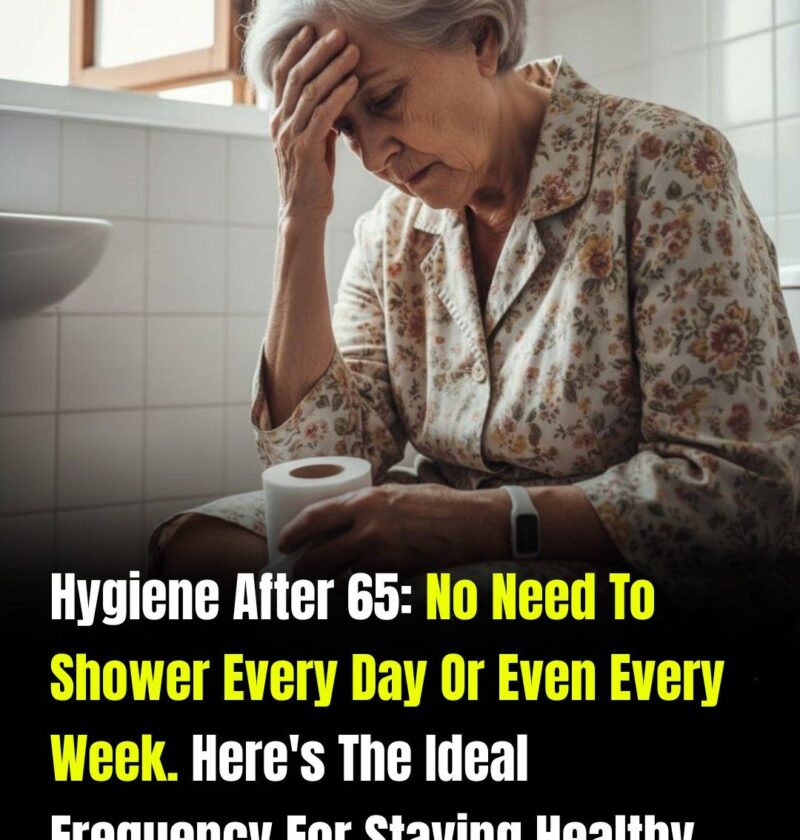
Senior Hygiene After 65: Why Daily Showering May Not Be Necessary for Healthy Aging Skin
Understanding Hygiene Needs in Older Age: A Shift in Skin Biology
As people grow older, the body undergoes natural biological changes that directly affect skin health, moisture balance, and sensitivity. After the age of 65, the skin becomes thinner, produces less natural oil (sebum), and loses elasticity. These changes mean that older adults do not always need the same daily bathing routine that younger individuals typically follow.
In fact, many geriatric health and dermatology specialists emphasize that over-washing the skin in later life can sometimes do more harm than good. While cleanliness remains important, the frequency and method of bathing should be adjusted according to skin condition, mobility, and overall health.
Modern research in aging skin care suggests that reducing unnecessary daily showers can help maintain skin hydration, reduce irritation, and support long-term comfort.
How Aging Affects Skin and Personal Hygiene Requirements
The skin is the body’s largest protective barrier, and it naturally changes with age. After 65, several key transformations occur:
1. Reduced Natural Oil Production
Sebaceous glands become less active, which leads to dryness and flakiness. This makes older skin more vulnerable to cracking and itching when exposed to hot water or strong soaps.
2. Thinner Skin Structure
Aging skin loses collagen and fat layers, becoming thinner and more fragile. This increases the risk of irritation from frequent washing.
3. Slower Cell Regeneration
The skin’s ability to renew itself slows down, meaning damage caused by over-cleansing takes longer to heal.
4. Increased Sensitivity
Older adults often develop heightened sensitivity to soaps, fragrances, and temperature changes.
These factors explain why daily full-body showers may not always be necessary or beneficial for seniors.
Do Seniors Really Need to Shower Every Day? Expert Perspective
Contrary to long-standing hygiene habits, experts in dermatology and geriatric care suggest that daily full-body showers are not medically required for most older adults.
Instead, the focus shifts from frequent washing to targeted hygiene practices, such as:
- Cleaning key body areas daily
- Bathing 2–3 times per week
- Maintaining moisture balance in the skin
Health organizations like dermatology associations and aging-care specialists highlight that the goal is not excessive cleansing but maintaining skin integrity, comfort, and infection prevention.
When Daily Showering May Still Be Important
Even though daily full-body bathing is not always required, there are situations where more frequent washing is beneficial:
1. Excessive Sweating or Hot Climate
In warm environments, sweating increases, and more frequent cleansing may be needed to prevent odor and skin irritation.
2. Physical Activity
Seniors who exercise regularly or remain physically active may benefit from more frequent showers.
3. Incontinence or Medical Conditions
Certain health conditions require daily cleaning for hygiene and infection prevention.
4. Skin Infections or Open Wounds
Medical advice may recommend specific cleansing routines depending on the condition.
Risks of Over-Showering in Older Adults
Over-bathing is not just unnecessary in many cases—it can actively harm aging skin.
1. Dryness and Itching
Frequent washing strips away natural oils, leading to chronic dryness and discomfort.
2. Skin Barrier Damage
Harsh soaps and hot water weaken the protective outer layer of skin.
3. Increased Risk of Irritation
Redness, rashes, and sensitivity can develop with excessive cleansing routines.
4. Potential for Skin Cracks
Very dry skin may crack, increasing the risk of infections.
Because of these risks, many healthcare professionals recommend a more balanced hygiene routine rather than daily full-body showers.
Recommended Bathing Routine for Seniors (Balanced Approach)
A healthier hygiene schedule for most older adults includes:
- Full-body shower: 2 to 3 times per week
- Face, underarms, and groin cleansing: daily
- Hand washing: multiple times per day as needed
- Moisturizing: immediately after bathing
This routine supports cleanliness while preserving essential skin oils.
Best Bathing Practices for Healthy Aging Skin
How seniors bathe is just as important as how often they bathe.
Use Lukewarm Water
Hot water can strip moisture from the skin and increase dryness. Lukewarm water is gentler and safer.
Choose Mild, Fragrance-Free Cleansers
Harsh soaps can disrupt the skin barrier. Gentle cleansers help maintain balance.
Limit Shower Time
Keeping showers short (5–10 minutes) helps prevent excessive moisture loss.
Moisturize Immediately After Bathing
Applying moisturizer locks in hydration and supports skin repair.
Avoid Over-Scrubbing
Gentle washing is sufficient—vigorous scrubbing can damage fragile skin.
Hygiene Without Daily Showering: Staying Clean and Confident
Not showering every day does not mean compromising cleanliness. Seniors can maintain hygiene through alternative methods:
- Sponge baths for quick freshening up
- Daily clothing changes
- Regular underarm and foot cleaning
- Use of gentle wipes when needed
These practices help maintain freshness without stressing the skin.
Mental and Emotional Benefits of Adjusted Hygiene Routines
Reducing unnecessary shower frequency can also improve comfort and emotional well-being. Many older adults experience:
- Less skin irritation
- Reduced discomfort during bathing
- Easier personal care routines
- Greater independence in daily living
Simplifying hygiene routines can reduce physical strain and make self-care more manageable.
Common Myths About Senior Hygiene
Myth 1: Older adults must bathe daily to stay clean
Reality: Targeted hygiene is often more effective than full daily showers.
Myth 2: Less bathing means poor hygiene
Reality: Cleanliness depends on method, not just frequency.
Myth 3: Strong soaps are better for cleanliness
Reality: Gentle cleansers are safer and more effective for aging skin.
Final Thoughts on Senior Bathing Habits
Hygiene after 65 should be flexible, personalized, and based on skin health rather than rigid routines. While cleanliness remains essential, daily full-body showers are not necessary for most seniors and may even contribute to skin problems if overdone.
A balanced approach that prioritizes gentle care, hydration, and comfort helps maintain both health and dignity in later life.