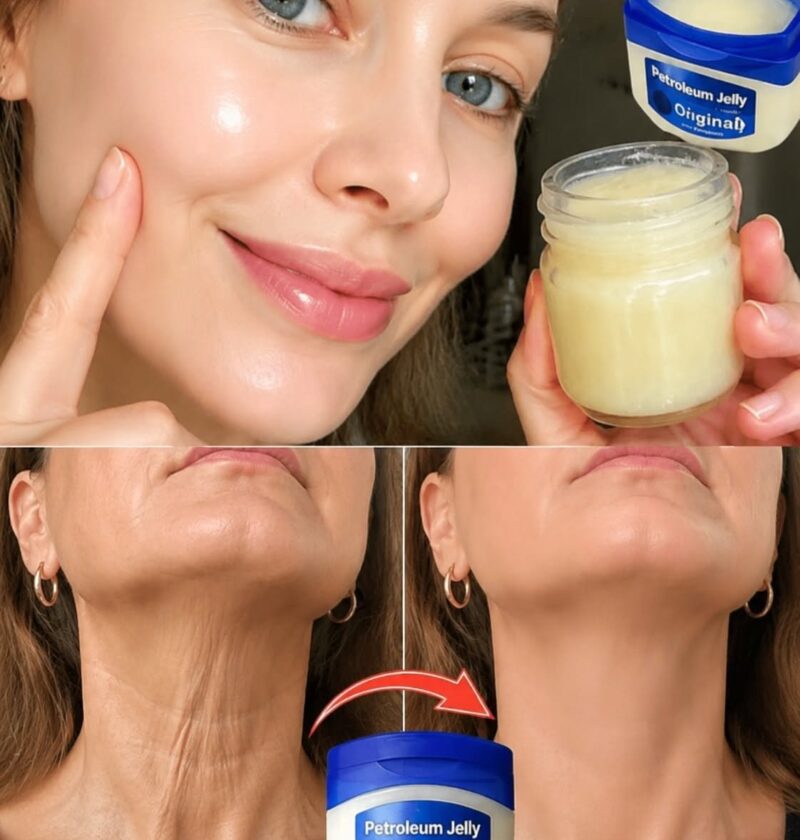
Headlines like “10 Ways Vaseline Will Change Your Wrinkle Skin (You’re Applying It Wrong!)” are usually clickbait. Here’s a more accurate view of what Vaseline (petroleum jelly) can and cannot do.
What Vaseline Can Do
- Reduce moisture loss
- Petroleum jelly is an occlusive moisturizer that helps seal water into the skin.
- Make fine lines look less noticeable
- Well-hydrated skin can appear smoother, temporarily reducing the appearance of fine lines.
- Support the skin barrier
- It can help protect dry, irritated, or damaged skin.
- Prevent chapped lips
- A thin layer can help lock in moisture.
- Protect areas prone to friction
- Useful for preventing chafing.
- Help healing of minor skin injuries
- Keeping wounds moist can support healing.
- Improve overnight hydration
- Some people use a thin layer over moisturizer (“slugging”) to reduce water loss while sleeping.
What Vaseline Cannot Do
- Remove wrinkles
- Stimulate significant collagen production
- Reverse sun damage
- Tighten loose skin
- Eliminate age spots
- Replace treatments proven to improve wrinkles
For Wrinkle Reduction
Products and habits with stronger evidence include:
- Daily sunscreen
- Retinoids (when appropriate)
- Moisturizers
- Avoiding smoking
- Adequate sleep
- Protecting skin from excessive sun exposure
A Simple Way to Use It
- Wash your face.
- Apply your regular moisturizer.
- Apply a very thin layer of petroleum jelly on top to seal in moisture.
- Avoid getting it in your eyes.
People with acne-prone skin may find heavy occlusive products less suitable for some areas of the face, though petroleum jelly itself is generally considered non-comedogenic.
The biggest benefit of Vaseline for aging skin is usually improved hydration and barrier protection, which can make skin look smoother and healthier—not the dramatic wrinkle removal often promised in viral