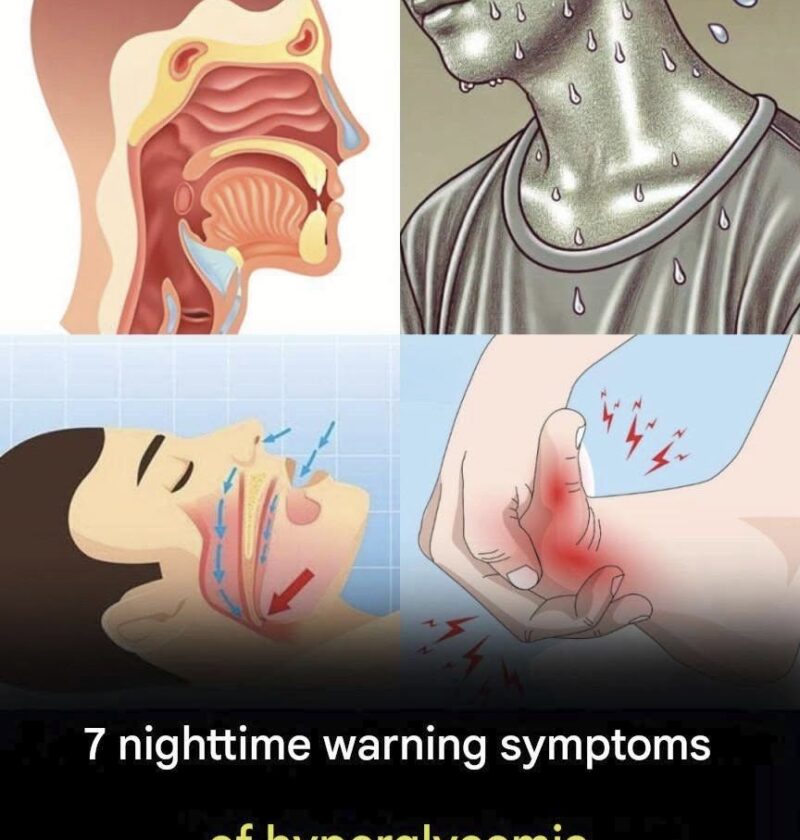
High blood sugar (hyperglycemia) can develop gradually, and some people have few symptoms—especially early on. Recognizing warning signs can help you seek testing and treatment sooner.
Common warning signs of high blood sugar
- Increased thirst
- Feeling unusually thirsty or unable to drink enough.
- Frequent urination
- Especially waking up often at night to urinate.
- Increased hunger
- Feeling hungry even after eating.
- Unexplained weight loss
- Losing weight without trying can occur when the body cannot use glucose properly.
- Fatigue or low energy
- High glucose levels can interfere with how your body uses fuel.
- Blurred vision
- Changes in fluid balance can affect the lens of the eye.
- Slow-healing cuts or wounds
- High blood sugar can impair normal healing and increase infection risk.
- Frequent infections
- Some people experience repeated skin, urinary, or yeast infections.
- Tingling, numbness, or burning in the hands or feet
- Long-term high blood sugar can damage nerves.
- Dry mouth or dry, itchy skin
- Dehydration caused by excess urination can contribute to these symptoms.
Seek urgent medical help if high blood sugar is accompanied by:
- Nausea or vomiting
- Severe abdominal pain
- Confusion or extreme drowsiness
- Trouble breathing
- Fruity-smelling breath
- Very high blood glucose readings (especially if you have diabetes)
These can be signs of a serious condition requiring prompt care.
If you are concerned about blood sugar, a simple blood test such as fasting glucose or HbA1c can help show your average blood sugar level over the previous few months. If you tell me your age, symptoms, and whether you have diabetes or take any medicines, I can help you understand what may be going on.