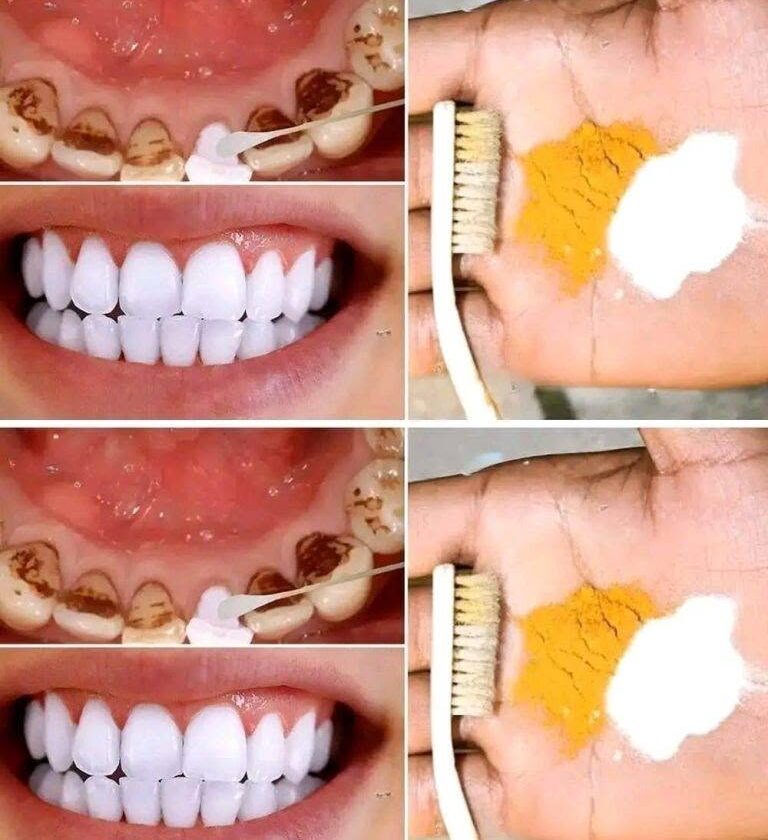
That headline is marketing-style exaggeration. You cannot safely get lasting “whiter teeth in 2 minutes” at home. Some products can create a temporary brighter look, but true whitening takes time and chemistry.
Here’s what actually works and what’s risky:
🦷 Home Teeth Whitening: What Really Works
Teeth color changes due to stains on enamel and deeper discoloration. Safe whitening works by breaking down or removing those stains gradually.
Tooth Discoloration
⚡ What “2-minute whitening” usually means
Most viral claims refer to:
- Toothpaste with optical brighteners (temporary effect)
- Surface stain removal only
- Baking soda brushing (abrasive cleaning)
- Whitening gels that don’t actually work in 2 minutes
👉 These may make teeth look slightly cleaner, but do not truly bleach or whiten teeth in minutes.
🧪 Safe & Effective At-Home Whitening Options
1. Whitening Toothpaste
- Removes surface stains only
- Works gradually over days/weeks
- Mild and safe for daily use
2. Hydrogen Peroxide or Carbamide Peroxide Kits
Hydrogen Peroxide
Carbamide Peroxide
- Breaks down deeper stains chemically
- Takes several days to weeks
- Can cause temporary sensitivity
3. Dentist-Provided Whitening
Teeth Whitening
- Fastest real results (same day or a few visits)
- Stronger and safer when supervised
- More expensive but more effective
⚠️ Unsafe or Misleading Methods
Avoid or be cautious with:
- Lemon juice (can erode enamel)
- Baking soda used aggressively (abrasive damage risk)
- Activated charcoal (not proven, can wear enamel)
- “Instant whitening hacks” on social media
Damage to enamel is permanent.
🧠 What Actually Changes Tooth Color Fast?
Only two things give immediate visible improvement:
- Professional dental whitening
- Cleaning away surface stains (not true whitening)
Everything else takes time.
🦷 Tips to Keep Teeth Whiter Naturally
- Brush twice daily with fluoride toothpaste
- Floss daily
- Reduce tea, coffee, and tobacco use
- Drink water after staining foods
- Regular dental cleaning
🧾 Key Takeaway
“Whiter teeth in 2 minutes” is not scientifically realistic. Real whitening requires either gradual at-home peroxide treatments or professional dental procedures. Quick fixes usually only remove surface stains temporarily or risk damaging enamel.