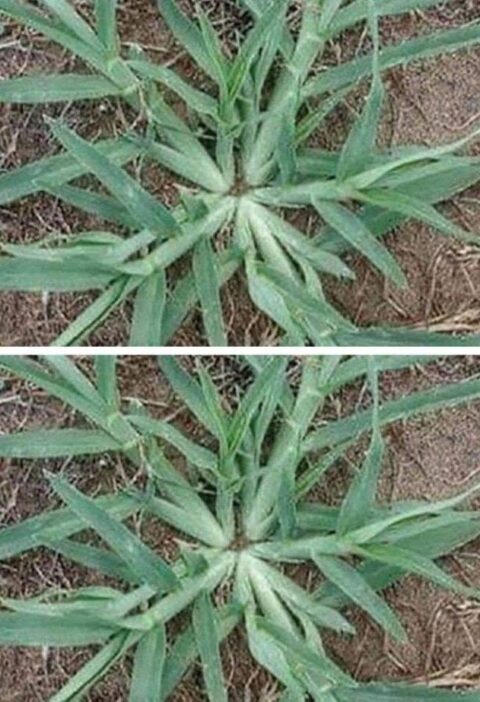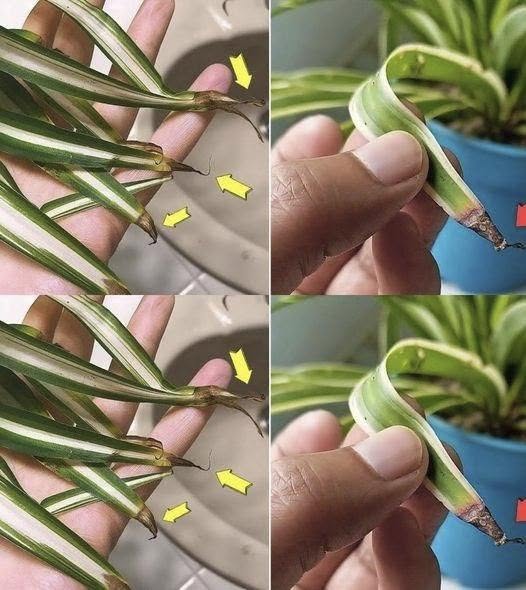
When the tips of herbaceous plants turn brown, it’s usually a sign that the plant is experiencing some form of stress. The exact cause depends on the plant and its growing conditions.
Common Reasons for Brown Leaf Tips
1. Underwatering
One of the most common causes.
- Soil becomes too dry.
- The plant can’t move enough water to the leaf edges.
- Tips dry out first and turn brown.
What to do: Water consistently and check soil moisture regularly.
2. Overwatering
Too much water can damage roots, reducing their ability to absorb oxygen and nutrients.
- Leaves may yellow as well as develop brown tips.
- Soil may stay wet for long periods.
What to do: Improve drainage and allow the soil to dry appropriately between waterings.
3. Low Humidity
Many herbaceous plants prefer moderate to high humidity.
- Dry indoor air can cause leaf-tip burn.
- Common in heated or air-conditioned environments.
What to do: Increase humidity or group plants together.
4. Fertilizer Salt Buildup
Excess fertilizer can accumulate in the soil and damage roots.
- Brown, crispy tips are a common symptom.
- White crusts may appear on the soil surface.
What to do: Flush the soil with water occasionally and avoid overfertilizing.
5. Water Quality Issues
Some plants are sensitive to:
- High mineral content
- Excess salts
- Chlorine or fluoride in tap water
What to do: Try filtered, distilled, or rainwater if appropriate for the plant.
6. Sunburn or Heat Stress
Too much direct sunlight or excessive heat can scorch leaves.
- Brown areas may appear on tips and edges.
- Leaves may look bleached or crispy.
What to do: Move the plant to a location with suitable light levels.
7. Nutrient Deficiencies
Deficiencies in nutrients such as potassium can sometimes contribute to browning along leaf margins and tips.
What to do: Use a balanced fertilizer according to the plant’s needs.
8. Natural Aging
Older leaves naturally decline over time.
- Browning may affect only the oldest foliage.
- New growth remains healthy.
How to Diagnose the Cause
Ask yourself:
- Is the soil too wet or too dry?
- Has fertilization increased recently?
- Is the plant near a heater, air conditioner, or hot window?
- Has the light exposure changed?
- Are only old leaves affected, or is new growth also browning?