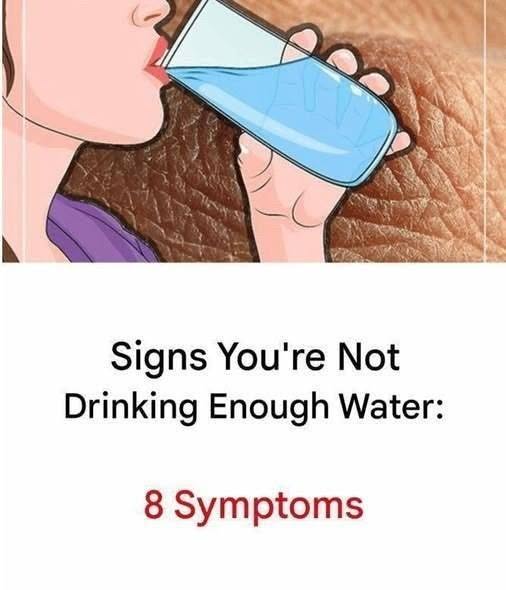
💧 What Happens to Your Body When You Don’t Drink Enough Water
Water is essential for nearly every function in your body. When you don’t drink enough, even mild dehydration can affect how you feel and perform. More severe dehydration can become a medical emergency.
🧠 1. Your brain may not function at its best
Even mild dehydration can lead to:
- Headaches
- Difficulty concentrating
- Fatigue
- Irritability
- Dizziness
Your brain is highly sensitive to changes in fluid balance.
❤️ 2. Your heart works harder
When you’re dehydrated, blood volume decreases. This can cause:
- Faster heart rate
- Lower blood pressure
- Lightheadedness, especially when standing up
🚽 3. Your kidneys conserve water
The kidneys respond by producing less urine.
Signs include:
- Dark yellow urine
- Strong-smelling urine
- Urinating less frequently
Long-term inadequate hydration may increase the risk of kidney stones in susceptible individuals.
🌡️ 4. Your body has trouble regulating temperature
Sweating helps cool the body. Without enough fluid:
- You may overheat more easily
- Exercise can feel harder
- Heat-related illness becomes more likely
💪 5. Muscles may cramp or feel weaker
Dehydration can affect electrolyte balance and muscle function, contributing to:
- Muscle cramps
- Reduced endurance
- Increased fatigue during activity
🍽️ 6. Digestion can slow down
Not drinking enough fluids may contribute to:
- Constipation
- Harder stools
- Digestive discomfort
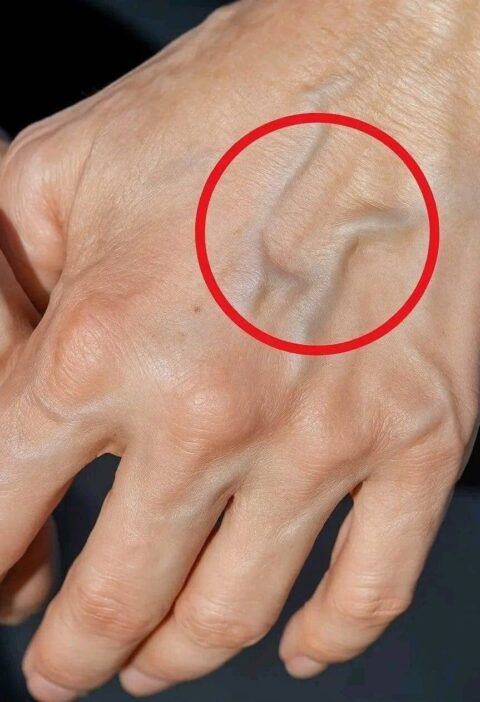
🧴 7. Your skin may appear less hydrated
Severe dehydration can make skin appear:
- Drier
- Less elastic
However, drinking extra water is not a cure-all for skin issues.
⚠️ Signs of more serious dehydration
Seek medical attention if dehydration is accompanied by:
- Confusion
- Fainting
- Very little or no urine
- Rapid heartbeat
- Inability to keep fluids down
How much water do you need?