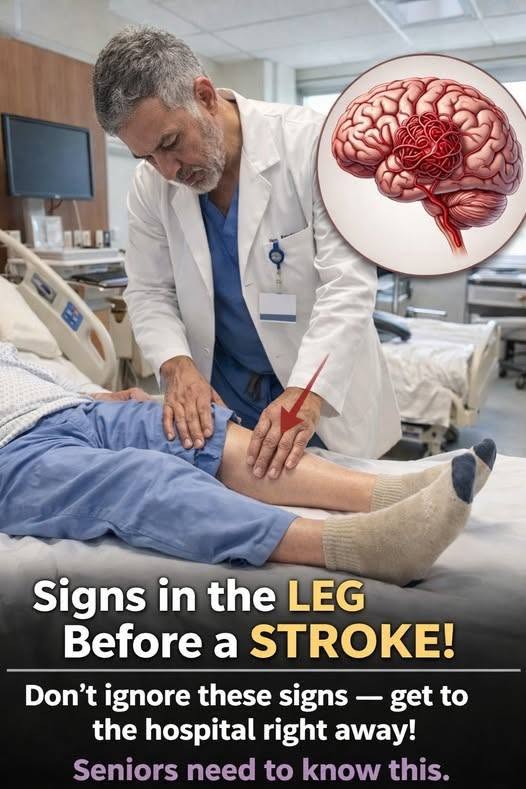
Leg weakness or numbness can sometimes be a sign of a stroke, but it is not always a stroke, and it should not be interpreted in isolation.
🧠 What a stroke actually is
Stroke happens when blood flow to part of the brain is blocked or a blood vessel bursts. This causes brain cells to lose oxygen quickly.
Because the brain controls movement and sensation, symptoms often appear suddenly.
🚨 When leg weakness/numbness may suggest stroke
Stroke symptoms usually:
- Come on suddenly (within seconds or minutes)
- Affect one side of the body
Possible stroke-related signs include:
- Sudden weakness or numbness in leg, arm, or face (one side)
- Difficulty walking or loss of balance
- Slurred speech or confusion
- Sudden vision problems
- Severe unexplained headache
👉 A common pattern is one-sided leg weakness with other neurological symptoms
❗ Important reality check
Leg weakness or numbness alone can also be caused by many non-stroke conditions, such as:
- Pinched nerve (sciatica)
- Vitamin B12 deficiency
- Diabetes-related nerve damage
- Muscle strain or fatigue
- Poor circulation
- Anxiety or hyperventilation
So it is not automatically a stroke warning.
⏱️ When to treat it as an emergency
Seek urgent medical help if:
- Symptoms appear suddenly
- There is face drooping, arm weakness, or speech difficulty
- Symptoms affect one side of the body
- You cannot walk normally or maintain balance
A simple guide is FAST:
- Face drooping
- Arm weakness
- Speech difficulty
- Time to call emergency services
🧠 Bottom line
Stroke can cause leg weakness or numbness, but:
- It usually comes suddenly
- It is often accompanied by other neurological symptoms
- Many other conditions can mimic it
If you want, I can help you distinguish stroke vs nerve-related leg symptoms in a simple comparison chart.