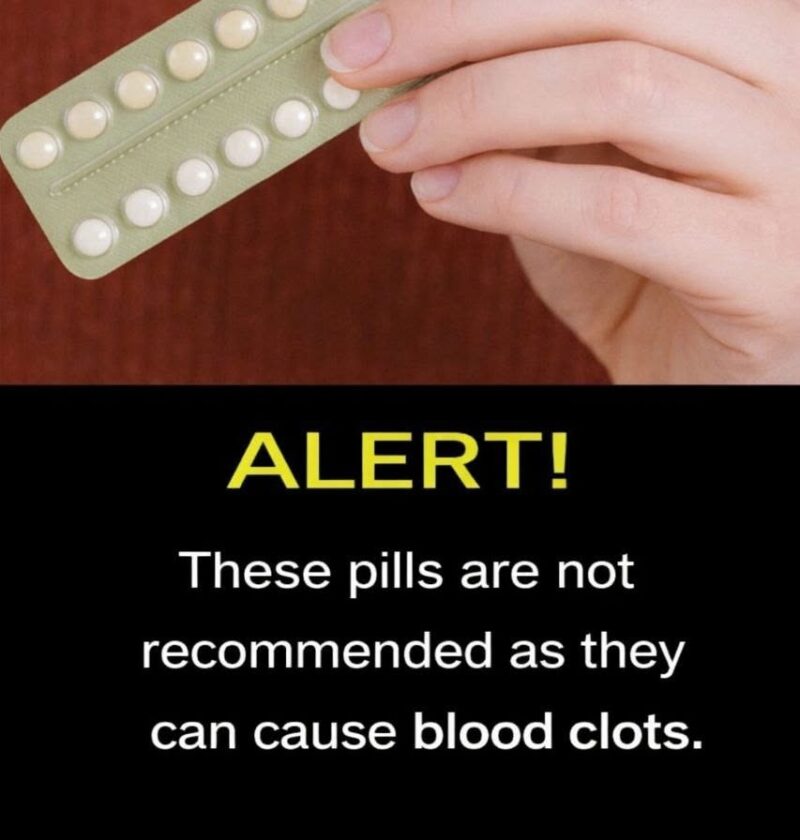
That kind of warning can be real—but it only makes sense when it’s tied to a specific medicine, not a vague statement like “these tablets.”
Many different drugs have been associated with a blood clot risk, but the meaning varies a lot. For example:
- Some hormonal medicines (like certain contraceptive pills or hormone therapies) can slightly increase the risk of blood clots in susceptible people.
- Some COVID-19 vaccines were investigated for a rare clotting syndrome (this was specifically reviewed by the European Medicines Agency and guidance was updated accordingly).
- Certain medications for cancer, inflammation, or blood disorders can also increase clot risk depending on the patient.
What matters is:
- Which exact tablet it is
- Who is taking it (risk varies a lot by age, smoking, genetics, etc.)
- The absolute risk (often very small even when “increased”)
The phrase you quoted sounds like a fragment of a warning label or social media post, but it’s incomplete and could easily be misleading or fear-based without context.
If you tell me the name of the tablets, I can explain:
- what the actual risk is
- how serious it really is
- and whether any regulator has actually restricted or recalled them