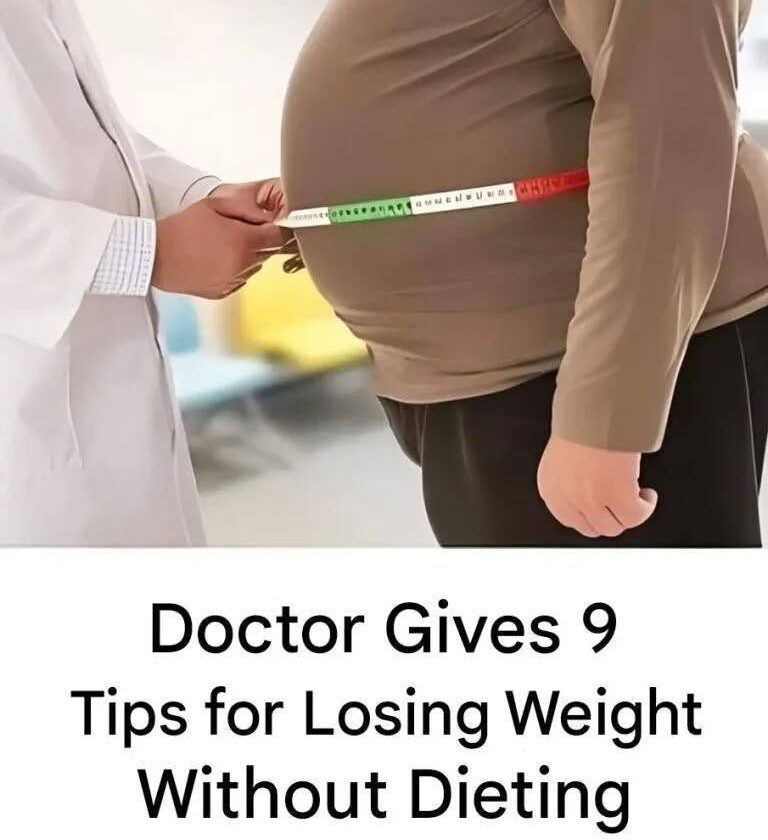
Here are 9 doctor-style, evidence-based tips that focus on long-term fat loss, not crash diets.
🩺 9 Medical Tips to Lose Weight Naturally (No Extreme Dieting)
1. Prioritize protein at every meal
Protein helps control hunger hormones and preserves muscle during weight loss.
Protein-rich foods
- Keeps you full longer
- Reduces cravings
- Supports metabolism
Examples: eggs, chicken, fish, lentils, yogurt.
2. Build meals around fiber-rich foods
Fiber slows digestion and improves fullness.
Dietary fiber
- Helps reduce overeating
- Supports gut health
- Stabilizes blood sugar
Best sources: vegetables, fruits, oats, beans.
3. Don’t drink your calories
Liquid calories don’t fill you up the same way food does.
- Sugary drinks, sweet tea, and sodas add weight easily
- Water, unsweetened tea, or black coffee are better choices
4. Walk more than you think you need
You don’t need extreme workouts—consistency matters more.
Walking
- Improves fat metabolism
- Reduces belly fat over time
- Easier to sustain than intense exercise
Aim: 20–40 minutes daily.
5. Use the “plate method”
A simple visual guide instead of calorie counting:
- ½ plate vegetables
- ¼ protein
- ¼ carbs
This naturally reduces overeating without restriction stress.
6. Sleep like it matters (because it does)
Poor sleep increases hunger hormones and cravings.
Sleep deprivation
- Leads to higher appetite
- Increases sugar cravings
- Slows fat loss progress
Aim for 7–9 hours.
7. Eat slowly and stop at “comfortably full”
Your brain takes ~15–20 minutes to register fullness.
- Eating slowly prevents overeating
- Helps you enjoy food more
8. Keep healthy snacks visible, junk food out of sight
Environment matters more than willpower.
- Fruit, nuts, yogurt = easy access
- Chips, sweets = harder to reach
This small change reduces impulsive eating.
9. Don’t aim for perfection—aim for consistency
Doctors emphasize:
- 80% good habits are enough
- One bad meal doesn’t ruin progress
- Long-term patterns matter more than daily mistakes
🧠 Key truth most people miss
Healthy weight loss is not about suffering—it’s about:
- Slight calorie reduction
- Better food quality
- More movement
- Better sleep
No extreme restriction required.