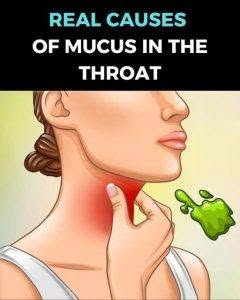
Excess phlegm and mucus in the chest or throat can be caused by a cold, allergies, sinus drainage, irritants, acid reflux, or respiratory infections. The best approach depends on the cause, but these 8 methods often help:
1. Drink plenty of fluids 💧
Staying hydrated helps thin mucus, making it easier to clear from the throat and airways.
Good choices:
- Water
- Warm herbal tea
- Clear soups and broths
2. Breathe humidified air 🌫️
Moist air can help loosen thick mucus.
Options include:
- A humidifier
- A steamy shower
- Inhaling steam carefully from a bowl of hot water
3. Gargle with warm salt water 🧂
This can help soothe throat irritation and loosen mucus.
Mix:
- ½ teaspoon salt
- 1 cup warm water
Gargle for a few seconds, then spit it out.
4. Use honey 🍯
Honey may help reduce coughing and soothe the throat.
Do not give honey to children under 1 year of age.
5. Avoid smoke and other irritants 🚭
Exposure to:
- tobacco smoke
- dust
- strong fumes
- air pollution
can increase mucus production and irritation.
6. Clear nasal congestion 👃
If mucus is draining from the nose into the throat, saline nasal sprays or rinses may help.
Use sterile, distilled, or previously boiled water for nasal irrigation.
7. Consider an expectorant 💊
Medications containing Guaifenesin can help thin mucus so it’s easier to cough up.
Follow package instructions and check with a healthcare professional if you have medical conditions or take other medications.
8. Treat the underlying cause 🩺
Persistent mucus may be related to:
- Common cold
- Allergic rhinitis
- Bronchitis
- Gastroesophageal reflux disease
- COVID-19
Managing the underlying condition is often the most effective long-term solution.
🚨 Seek medical care if:
- Symptoms last more than a few weeks
- You have trouble breathing
- You cough up blood
- You have a high fever
- You develop chest pain
- You have significant wheezing or worsening symptoms
Bottom line
Most cases of excess mucus improve with hydration, humidified air, rest, and addressing the underlying cause. Persistent or severe symptoms should be evaluated by a healthcare professional.