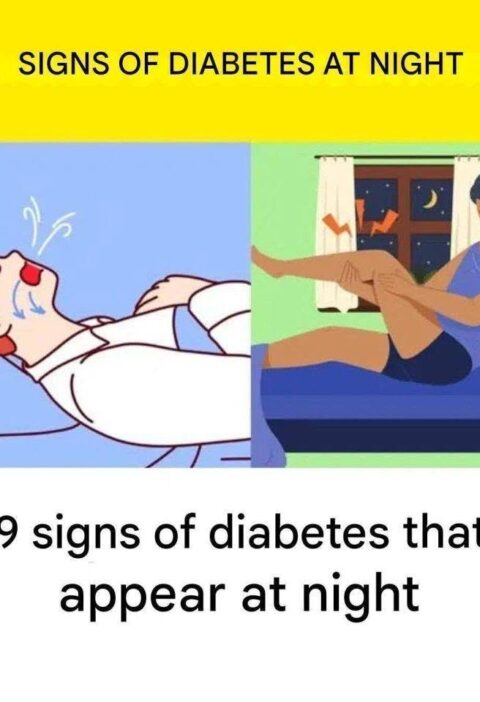
Night cramps (also called nocturnal leg cramps) are sudden, painful muscle spasms that usually affect the calves or feet during sleep. They’re common and usually not dangerous, but certain groups are more prone to them.
People most at risk
1. Older adults
Risk increases with age due to reduced muscle elasticity, nerve changes, and circulation issues.
2. Pregnant women
More common in the second and third trimester because of:
- Circulation changes
- Mineral shifts (magnesium, calcium)
- Increased pressure on leg muscles
3. People with circulation problems
Reduced blood flow can contribute, including conditions like:
- Peripheral artery disease
4. People with diabetes or nerve damage
Nerve dysfunction can make muscles more likely to spasm:
- Diabetes mellitus
5. People who are dehydrated or have electrolyte imbalance
Low magnesium, potassium, or calcium—often from sweating, illness, or poor intake—can increase risk.
6. Athletes or physically active people
Muscle fatigue from overuse or intense exercise can trigger cramps at night.
7. People on certain medications
Some drugs are linked with cramps, such as:
- Diuretics
- Statins (in some cases)
- Some asthma medications
Why they happen at night
Night cramps may be linked to:
- Muscle fatigue during the day
- Reduced movement during sleep
- Changes in nerve firing when muscles are relaxed
Bottom line
Night cramps are most common in older adults, pregnant women, people with diabetes or circulation issues, and those who are dehydrated or muscle-fatigued.
If you want, I can also share quick relief techniques to stop a cramp in seconds and prevent them long-term.