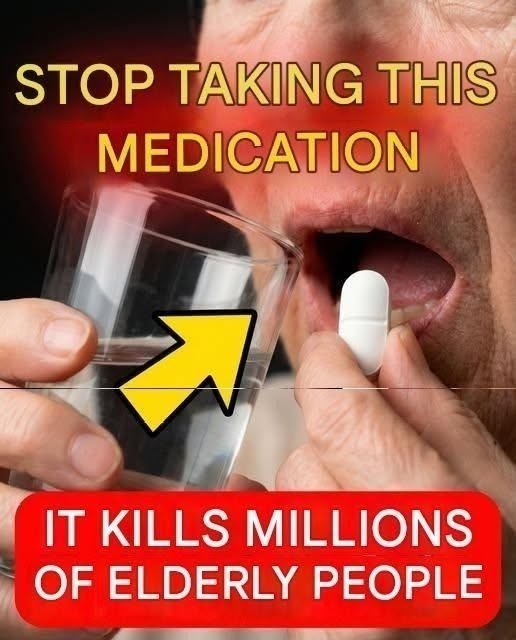
Headlines like “A cardiologist warns: these 5 medications increase the risk of heart attack and stroke in older people” are often misleading because they lack important context. Many medications can increase cardiovascular risk in certain people, but they may also provide significant benefits that outweigh those risks. No one should stop a prescribed medication based only on a social media post.
Some medication classes that may increase the risk of heart attack or stroke in specific situations include:
- Ibuprofen and other NSAIDs
- Examples include ibuprofen and Diclofenac.
- Long-term or high-dose use can increase the risk of heart attack and stroke, particularly in people with existing heart disease.
- Certain COX-2 inhibitors
- For example, Celecoxib may carry cardiovascular risks depending on the dose and the person’s medical history.
- Some hormone therapies
- Estrogen-containing hormone therapy may increase the risk of blood clots and stroke in some people, although the risk varies with age, timing, dose, and route of administration.
- Some decongestants
- Ingredients such as Pseudoephedrine can raise blood pressure and heart rate and may not be suitable for people with certain heart conditions or uncontrolled hypertension.
- Certain stimulants
- Some medications used to treat conditions like ADHD can increase heart rate and blood pressure. They are generally safe when appropriately prescribed but require monitoring in people with cardiovascular disease.
Important context
- These medications do not cause heart attacks or strokes in everyone.
- Risk depends on factors such as age, dose, duration of use, underlying heart disease, kidney disease, smoking, diabetes, and high blood pressure.
- Many people benefit from these medications, and stopping them without medical advice can be harmful.
If you see a post directing you to the “1st comment” for the full story, it’s often a tactic to drive engagement or advertise a product rather than provide balanced medical information.
If you have a specific medication you’re concerned about, tell me its name, and I can explain its known cardiovascular risks and benefits based on current medical evidence.