Foot and Leg Warning Signs That May Be Linked to Heart Problems (What You Should Know Early)
Source: American Heart Association, Mayo Clinic, NHS (UK)
Introduction: Can Your Feet Really Signal Heart Trouble?
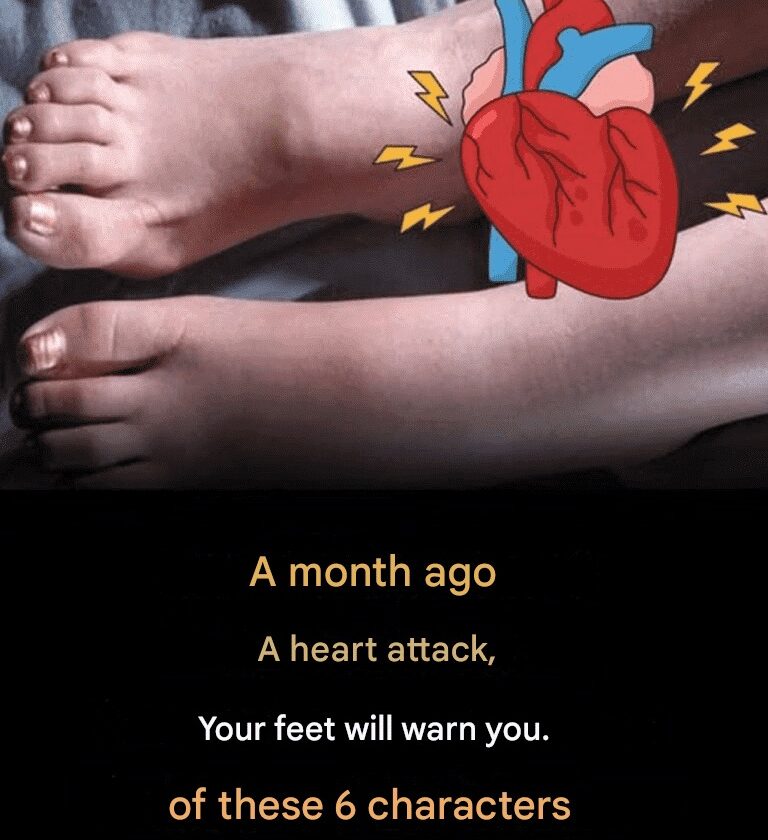
Your feet and legs can sometimes show early signs of circulation problems. While it is not accurate to say the body gives a clear “one month warning” of a heart attack, certain symptoms in the lower limbs may indicate poor blood circulation or underlying heart disease risk.
Heart attack usually develops due to long-term issues like artery blockage, high blood pressure, or heart disease. Some of these conditions can cause noticeable symptoms in the feet and legs over time.
Understanding these signs can help you seek medical advice earlier and reduce risk.
Why the Feet Are Affected by Heart Health
The heart is responsible for pumping blood throughout the body. When its function is reduced, blood circulation in the lower limbs is often affected first because:
- Gravity makes it harder for blood to return from the legs
- Narrowed arteries reduce oxygen supply
- Fluid can accumulate in tissues
This is why doctors often check leg and foot symptoms during cardiovascular evaluations.
1. Swelling in Feet and Ankles
One of the most common signs of circulation problems is swelling.
Edema
What it may look like:
- Puffy feet or ankles
- Tight shoes
- Sock marks on skin
Why it happens:
Poor heart function can cause fluid to back up in the lower body.
2. Cold Feet or Toes
Reduced blood flow can make feet feel unusually cold.
Possible signs:
- Constant cold sensation
- Pale or bluish skin tone
- Numbness
This may indicate poor circulation in the extremities.
3. Foot Pain While Walking
Pain or cramping in the feet or calves during movement can suggest reduced blood flow.
Symptoms:
- Cramping when walking
- Pain that improves with rest
- Weak endurance
This can be linked to narrowed arteries.
4. Slow-Healing Cuts or Wounds on Feet
Poor circulation reduces oxygen and nutrient delivery to tissues.
Warning signs:
- Small cuts taking long to heal
- Frequent skin infections
- Dry or cracked skin
This may indicate vascular or metabolic issues.
5. Skin Color Changes
Changes in foot skin color can signal circulation problems.
Examples:
- Pale or bluish skin
- Dark discoloration
- Uneven skin tone
These changes can reflect reduced oxygen supply.
6. Tingling or Numbness
Nerve function depends on healthy blood flow.
Symptoms:
- Pins and needles sensation
- Numb toes or feet
- Reduced sensitivity
This may occur in circulation or metabolic disorders like diabetes, which also increase heart risk.
Important Reality Check
These symptoms:
- Do not mean a heart attack will happen in exactly one month
- Can be caused by many other conditions (diabetes, nerve issues, vein problems)
- Require medical evaluation for proper diagnosis
When to Seek Urgent Medical Help
Get emergency care if you experience:
- Chest pain or pressure
- Sudden shortness of breath
- Severe swelling in legs with breathing difficulty
- Fainting or extreme weakness
How Doctors Evaluate These Symptoms
Doctors may check:
- Blood pressure
- Heart function tests (ECG)
- Circulation scans
- Blood sugar and cholesterol levels
Healthy Habits to Support Circulation
- Regular walking or light exercise
- Reducing salt intake
- Managing blood pressure
- Avoiding smoking
- Staying hydrated
Final Thoughts: Feet Symptoms Are a Clue, Not a Prediction
Your feet can sometimes reflect early circulation problems, but they cannot predict a heart attack with exact timing. The key is to treat persistent symptoms seriously and consult a healthcare professional early.
Early detection and lifestyle changes can significantly reduce cardiovascular risk.
PART 2: Simple Guide
Possible Foot Warning Signs
- Swelling
- Cold feet
- Pain while walking
- Slow healing wounds
- Skin color changes
- Tingling or numbness
Important Reminder
- No symptom predicts exact timing of a heart attack
- Many causes are not heart-related
If you want, I can also turn this into:
- A viral SEO blog (“7 silent circulation warning signs”)
- A YouTube doctor-style explainer
- Or a comparison article: poor circulation vs normal aging symptoms in feet