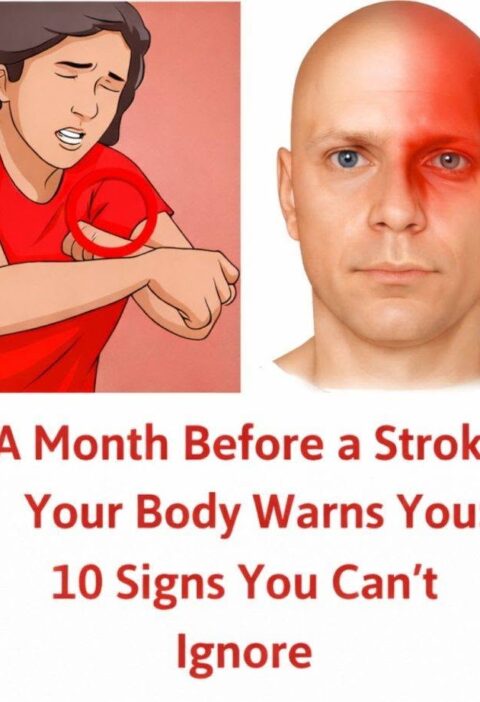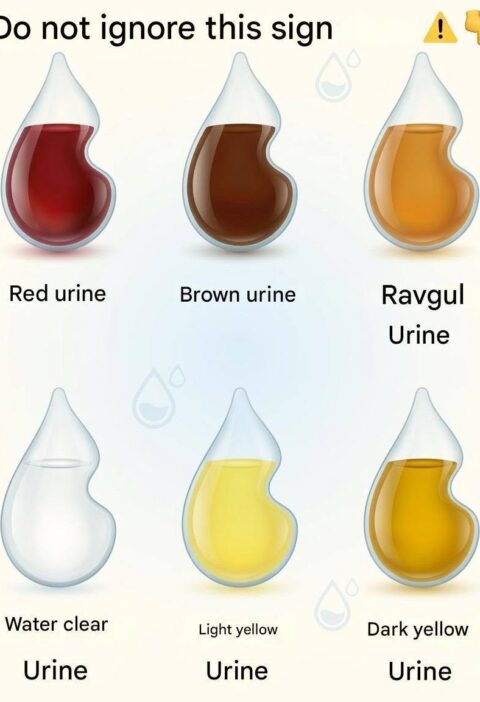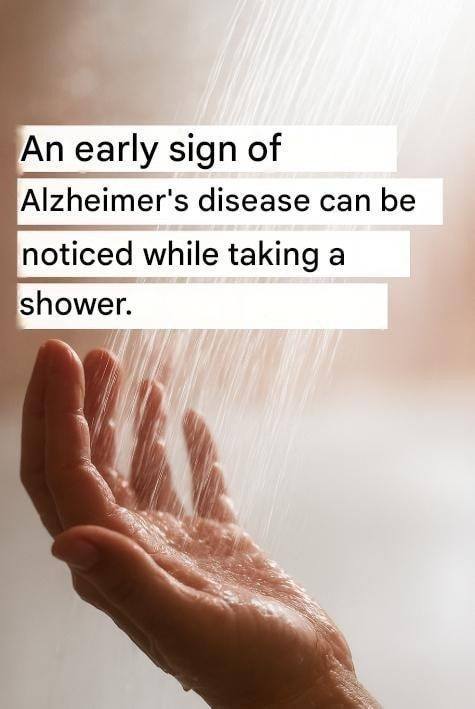
That’s another incomplete clickbait teaser. The missing word is likely something like “shower,” “sleep,” “speech,” or “smell,” but the truth is important here: Alzheimer’s disease cannot be reliably diagnosed from a single subtle everyday habit.
What’s actually true about early Alzheimer’s signs
Early cognitive decline is usually gradual and persistent, not a single isolated symptom. Common early features of Alzheimer’s disease include:
- Increasing short-term memory problems (repeating questions, forgetting recent events)
- Difficulty planning or solving familiar tasks
- Getting confused in familiar places
- Trouble finding words during conversation
- Misplacing items in unusual locations and not retracing steps
- Changes in judgment or decision-making
Why “subtle single signs” articles are misleading
Clickbait posts often:
- Pick one normal human behavior (like forgetting words or taking longer in the shower)
- Present it as an “early warning sign”
- Ignore that these behaviors are common in healthy people due to stress, aging, or distraction
Important reality
- Early Alzheimer’s is diagnosed through patterns over time, not one symptom
- Doctors use cognitive testing, history, and sometimes brain imaging
- Many “warning signs” online are non-specific and common in normal aging
When to actually be concerned
It’s worth medical evaluation if:
- Memory issues are progressively worsening
- Daily functioning is being affected (finances, cooking, navigation)
- Family members notice consistent changes
Bottom line
A single “subtle sign in the shower” or similar claim is not medically reliable. Alzheimer’s is about consistent, worsening cognitive decline—not isolated behaviors.
If you want, I can explain the difference between normal aging forgetfulness and early dementia in a simple checklist.