Chin Hair Growth in Women (~1500+ words, SEO-Optimized)
Introduction: Is Chin Hair in Women Normal?
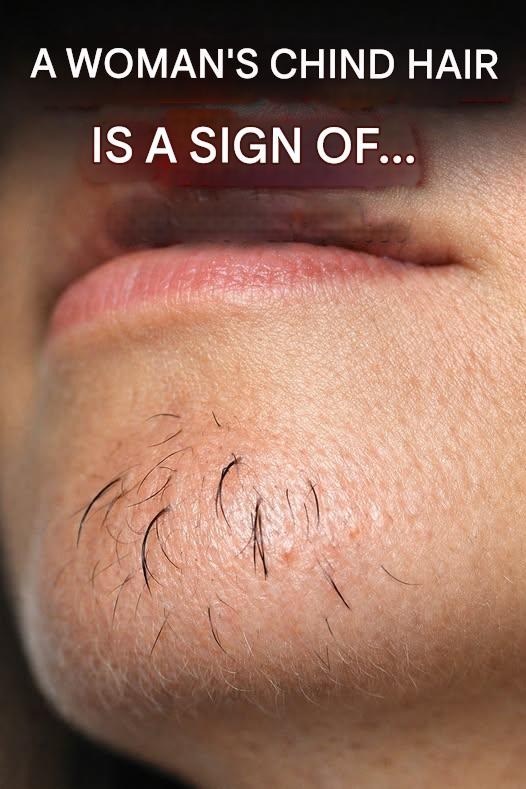
Unwanted facial hair, especially chin hair in women, is a common concern. Many people assume it is always a sign of a serious health problem, but in reality, a few fine chin hairs can be completely normal and harmless.
However, when chin hair becomes thicker, darker, or increases suddenly, it may sometimes indicate hormonal changes or underlying medical conditions.
Understanding the difference between normal variation and medical causes is important.
How Hair Growth Works in Women
Hair growth is controlled by:
- Genetics
- Hormones (especially androgens)
- Age-related changes
- Sensitivity of hair follicles
Even women naturally produce small amounts of androgens (male hormones), which can stimulate facial hair in certain areas like the chin or upper lip.
Common Causes of Chin Hair in Women
1. Normal Genetic Hair Growth
For many women, chin hair is simply inherited.
Characteristics:
- Few stray hairs
- Slow growth
- No other symptoms
This is completely normal and not linked to disease.
2. Hormonal Changes (Most Common Medical Cause)
Hormonal imbalance is one of the most frequent reasons for increased chin hair.
This usually involves higher levels of androgens.
Hirsutism
Signs include:
- Thick, dark chin or facial hair
- Hair growth on chest or abdomen
- Irregular menstrual cycles
3. Polycystic Ovary Syndrome (PCOS)
One of the most common underlying conditions linked to chin hair.
Polycystic ovary syndrome
Other symptoms may include:
- Irregular periods
- Acne
- Weight gain
- Thinning scalp hair
4. Aging and Menopause
As women age, estrogen levels decrease while androgen effects become relatively stronger.
This can lead to:
- New chin hair growth
- Thicker facial hair
- Slower metabolism
This is a natural part of aging for many women.
5. Medications and Hormonal Treatments
Certain medications may influence hair growth, including:
- Hormone therapy
- Steroids
- Some fertility treatments
These can temporarily increase facial hair growth.
6. Rare Hormonal Disorders
In uncommon cases, chin hair may be linked to:
- Adrenal gland disorders
- Tumors producing excess hormones
These cases usually involve rapid and severe symptoms.
When Chin Hair May Be a Warning Sign
You should consult a doctor if chin hair is accompanied by:
- Sudden or rapid increase in facial hair
- Irregular or absent periods
- Severe acne
- Deepening voice
- Hair growth on multiple body areas
These may indicate hormonal imbalance that needs evaluation.
Diagnosis: How Doctors Check the Cause
Doctors may use:
- Hormone blood tests
- Ultrasound of ovaries
- Medical history review
- Physical examination
This helps identify conditions like PCOS or hormonal imbalance.
Treatment Options for Excess Chin Hair
Treatment depends on the underlying cause.
1. Lifestyle Changes
- Weight management
- Balanced diet
- Regular exercise
2. Hormonal Treatments
- Oral contraceptives
- Anti-androgen medications (prescribed by doctors)
3. Hair Removal Methods
- Waxing or threading
- Laser hair removal
- Electrolysis
Can Chin Hair Be Prevented?
You cannot completely prevent genetic or hormonal hair growth, but you can manage it by:
- Maintaining hormonal balance
- Treating underlying conditions
- Regular grooming methods
Final Thoughts: Chin Hair Is Usually Harmless but Sometimes a Hormonal Signal
A small number of chin hairs in women is normal and not a cause for concern. However, when hair growth becomes excessive or is accompanied by other symptoms, it may indicate hormonal imbalance such as hirsutism or PCOS.
Early evaluation helps ensure proper treatment and peace of mind.
PART 2: Simple Guide
Common Causes of Chin Hair in Women
- Genetics (normal)
- Hormonal imbalance
- PCOS
- Aging/menopause
- Certain medications
When to See a Doctor
- Sudden increase in hair growth
- Irregular periods
- Severe acne
- Hair growth in multiple areas
Management Options
- Hormone treatment (if needed)
- Hair removal methods
- Lifestyle changes
If you want, I can also turn this into:
- A viral SEO blog (“7 signs your chin hair is hormonal”)
- A YouTube script (gynecologist explanation style)
- Or a comparison article: normal facial hair vs PCOS-related hair growth