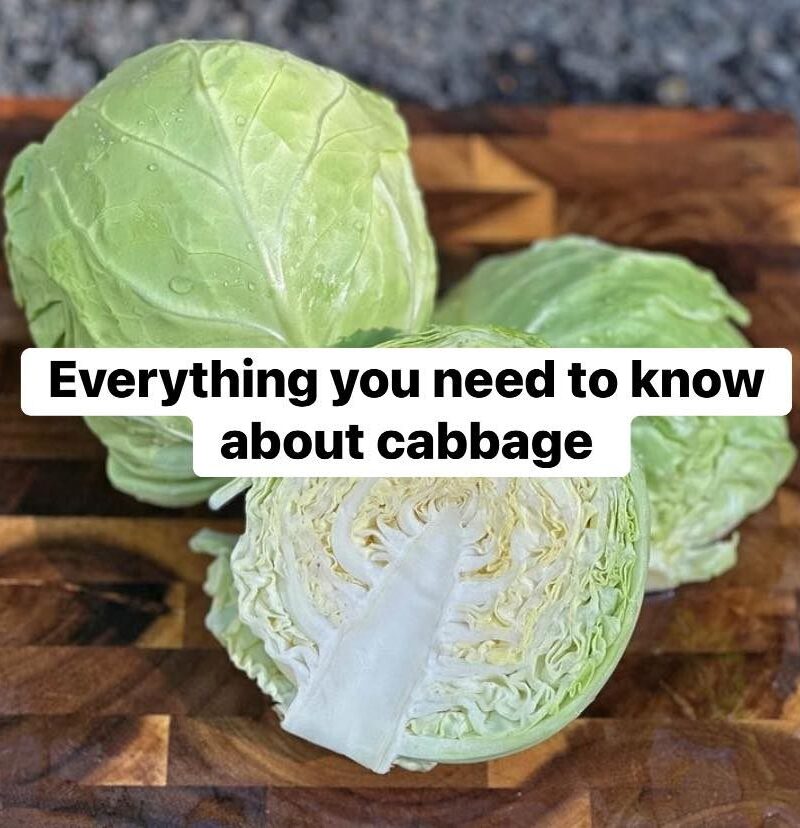
Cabbage is a leafy green (and sometimes purple or white) vegetable that belongs to the species Brassica oleracea. It is one of the most widely eaten vegetables in the world because it is affordable, nutritious, and versatile in cooking.
🥬 What is Cabbage?
Cabbage is a cruciferous vegetable, meaning it belongs to the same family as broccoli, cauliflower, and kale. It grows as a tight, round head of layered leaves.
Main types include:
- Green cabbage (most common)
- Red/purple cabbage
- Savoy cabbage (crinkled leaves, softer texture)
- Napa cabbage (used in Asian dishes)
🌍 Origin and Cultivation
Cabbage has been cultivated for thousands of years, originally in Europe. Today it is grown worldwide, especially in:
- China (largest producer)
- India
- Russia
- South Korea
- Pakistan
It grows best in cool climates and is often harvested in winter or early spring.
🥗 Nutritional Value
Cabbage is very low in calories but rich in nutrients.
Per 100g of raw cabbage:
- Calories: ~25
- Vitamin C: very high (boosts immunity)
- Vitamin K: important for blood clotting
- Fiber: helps digestion
- Antioxidants: help reduce inflammation
It also contains small amounts of:
- Folate
- Calcium
- Potassium
💪 Health Benefits
Eating cabbage regularly may help:
- 🛡️ Strengthen immunity (due to Vitamin C)
- 🧠 Support brain and nerve function
- ❤️ Improve heart health
- 🌱 Aid digestion (fiber content)
- 🦴 Support bone health (Vitamin K)
- 🧬 Reduce risk of certain chronic diseases due to antioxidants
🍽️ Uses in Food
Cabbage is extremely versatile:
Common dishes:
- Coleslaw 🥗
- Cabbage curry (popular in South Asia)
- Stuffed cabbage rolls
- Kimchi (fermented Korean dish)
- Stir-fried cabbage
- Soup and stews
In South Asian cooking:
In Pakistan and India, cabbage is often cooked with:
- Potatoes (aloo cabbage sabzi)
- Spices like turmeric, chili, cumin
- Sometimes minced meat
⚠️ Side Effects (if overeaten)
- May cause gas or bloating
- Can interfere with thyroid function in very large raw amounts (rare)
- Excess fiber may cause digestive discomfort
🧊 Storage Tips
- Keep in refrigerator (lasts 1–2 weeks)
- Store unwashed in a plastic bag
- Cut cabbage should be wrapped tightly
🌿 Interesting Facts
- Ancient Romans believed cabbage had medicinal powers
- Fermented cabbage (like kimchi or sauerkraut) lasts longer and is probiotic-rich
- Purple cabbage changes color depending on acidity (like a natural pH indicator)
If you want, I can also explain:
👉 How to cook cabbage in Pakistani style
👉 Benefits of raw vs cooked cabbage
👉 Or a simple cabbage recipe for beginners