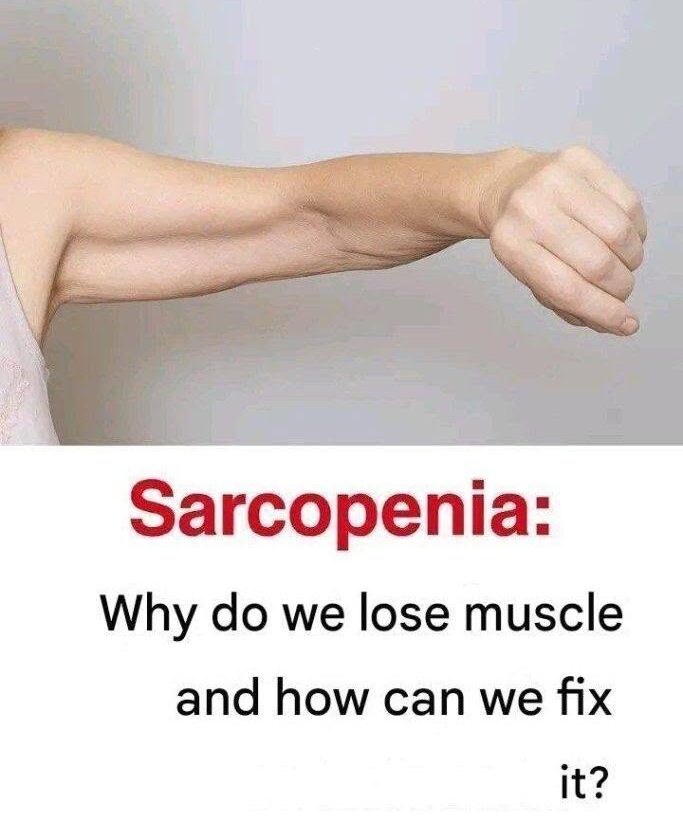
Sarcopenia is the gradual loss of muscle mass, strength, and physical function, most commonly associated with aging. While some muscle loss is a normal part of getting older, sarcopenia can significantly affect mobility, independence, and quality of life. The good news is that it can often be slowed or improved.
Common causes
- Aging: Muscle mass and strength naturally decline with age.
- Physical inactivity: Not using muscles regularly leads to loss of strength and size.
- Inadequate protein or calorie intake: Poor nutrition can contribute to muscle loss.
- Chronic health conditions: Conditions such as heart disease, kidney disease, cancer, or chronic inflammatory diseases can accelerate muscle loss.
- Hormonal changes: Changes in hormones involved in muscle maintenance may play a role.
- Extended bed rest or hospitalization: Even short periods of inactivity can lead to noticeable muscle loss, especially in older adults.
Ways to help prevent or treat it
- Strength (resistance) training: Exercises using weights, resistance bands, or body weight are among the most effective treatments.
- Adequate protein intake: Eating enough protein throughout the day supports muscle maintenance and growth.
- Regular physical activity: Walking, balance exercises, and flexibility training complement strength training.
- Address underlying medical conditions: Managing chronic illnesses can help reduce muscle loss.
- Correct vitamin deficiencies if present: For example, treating low vitamin D when confirmed by testing may be beneficial.
When to seek medical advice
Consider discussing symptoms with a healthcare professional if you notice:
- Progressive muscle weakness
- Difficulty standing up from a chair
- Frequent falls or balance problems
- Slower walking speed
- Unintentional weight or muscle loss
A healthcare professional can evaluate whether sarcopenia or another condition is contributing to these symptoms and recommend an individualized plan. Early intervention with exercise and appropriate nutrition can make a meaningful difference in maintaining strength and function.