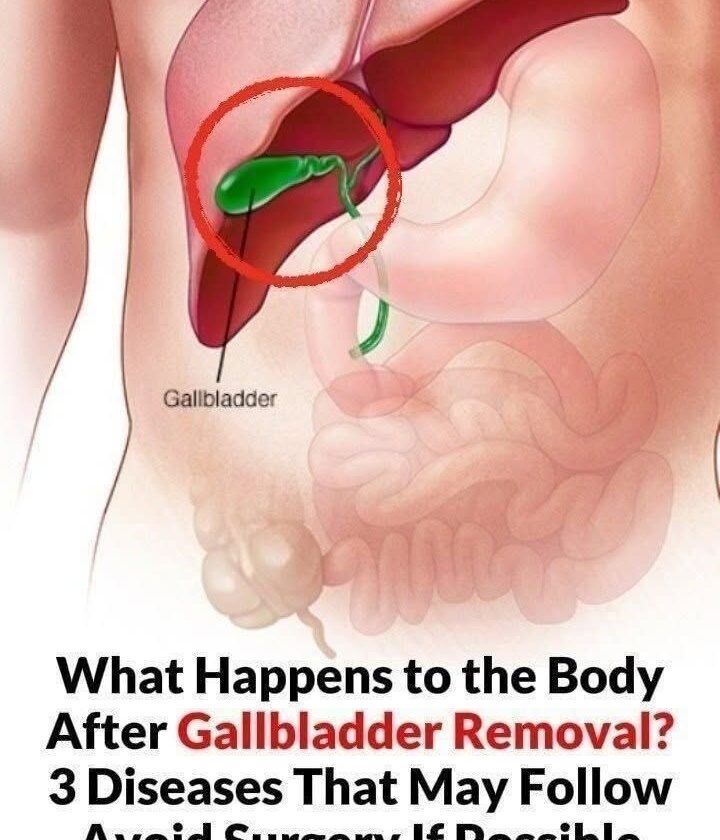
That headline is misleading because it implies gallbladder removal should generally be avoided. In reality, gallbladder removal (called a cholecystectomy) is often the recommended treatment for symptomatic gallstones and some other gallbladder problems, and it is one of the most commonly performed surgeries worldwide.
That said, like any surgery, it can have side effects and long-term consequences for some people.
Possible issues after gallbladder removal
1. Diarrhea or digestive changes
Without a gallbladder, bile flows continuously into the intestine rather than being released in larger amounts during meals.
- Some people develop loose stools or urgency, especially after fatty meals.
- This is often mild and may improve over time.
2. Bile acid diarrhea
A subset of patients develop persistent diarrhea due to excess bile acids reaching the colon.
- This can often be treated with medications that bind bile acids.
3. Post-cholecystectomy syndrome
Some people continue to have abdominal pain, bloating, indigestion, or other digestive symptoms after surgery.
- Symptoms may be due to conditions unrelated to the gallbladder or to changes in bile flow.
Why surgery is still often appropriate
Gallbladder removal is commonly recommended when a person has:
- Recurrent painful gallstones
- Gallbladder inflammation
- Gallstone pancreatitis
- Certain complications involving the bile ducts
In these situations, avoiding surgery may expose the person to serious complications.
When gallbladder removal may not be needed
Some people with gallstones but no symptoms do not require surgery. Decisions depend on:
- Symptoms
- Complications
- Overall health
- Findings on imaging and tests
Bottom line
It’s true that some people develop digestive issues after gallbladder removal, but headlines suggesting everyone should avoid the operation are not accurate. For many patients, the benefits outweigh the risks, especially when gallstones are causing pain or complications.
If you’re considering gallbladder surgery or have already had it and are experiencing symptoms, I can explain what is typically expected and what warning signs should be evaluated by a doctor.