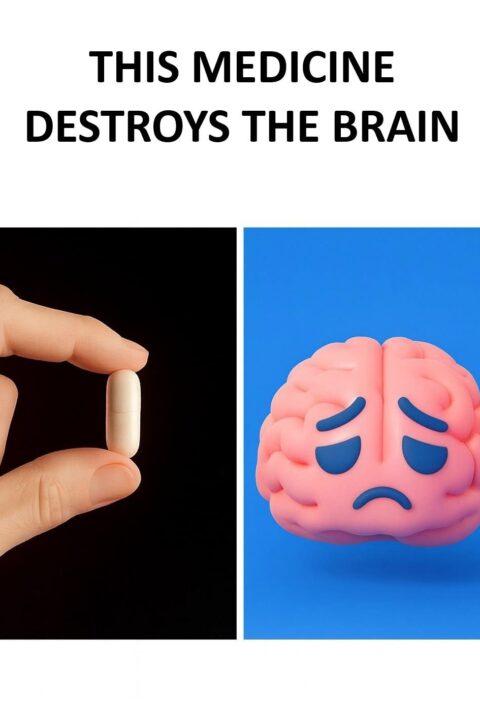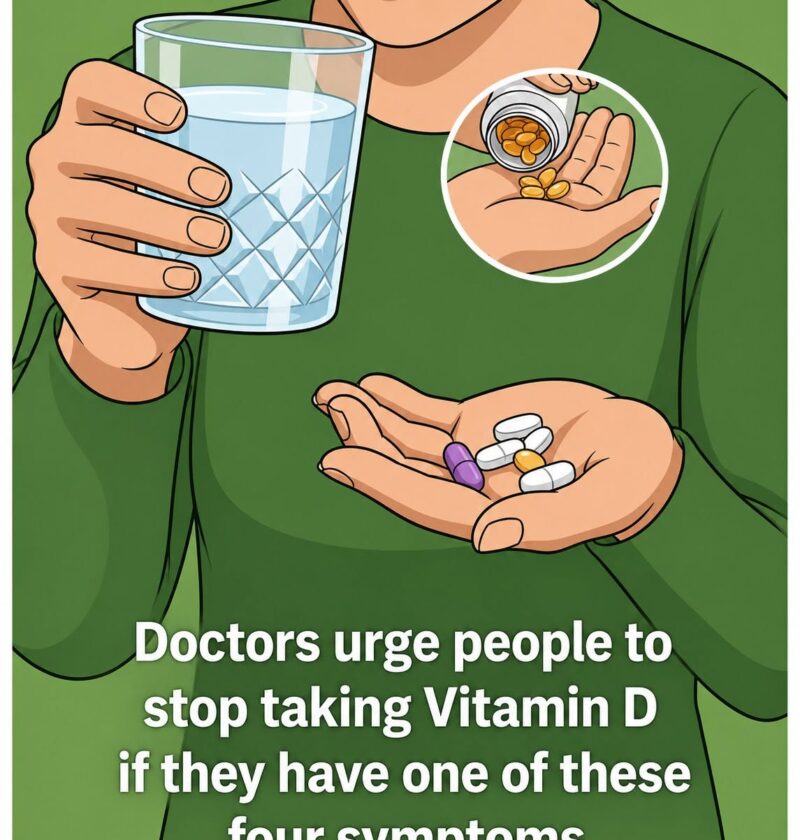
That kind of headline is misleading. Doctors do not generally tell people to “stop vitamin D immediately” based on vague symptom lists. However, excess vitamin D intake (toxicity) can cause real problems—usually only when taking very high doses over time.
Here’s the medically accurate version:
☀️ Vitamin D and when to be careful
Vitamin D relates to Vitamin D toxicity, which is rare but possible, usually from over-supplementation—not food or sunlight.
⚠️ Symptoms that may suggest too much vitamin D (high calcium levels)
Excess vitamin D can raise calcium in the blood (hypercalcemia). Possible symptoms include:
1. Nausea, vomiting, poor appetite
- Feeling sick after meals or loss of appetite
2. Excessive thirst and frequent urination
- Body trying to flush out high calcium levels
3. Weakness, fatigue, or confusion
- Can feel like “brain fog” or unusual tiredness
4. Constipation or abdominal discomfort
- Slowed gut movement from high calcium
🧠 Important reality check
These symptoms are not specific to vitamin D toxicity. They can also come from:
- Dehydration
- Kidney problems (Chronic Kidney Disease)
- Diabetes
- Infections
- Medication side effects
That’s why doctors confirm toxicity with a blood test, not symptoms alone.
💊 When you should actually stop or check vitamin D
You should talk to a doctor if:
- You are taking high-dose supplements (e.g., 50,000 IU frequently)
- You also take calcium supplements
- You have kidney disease or kidney stones
- Blood tests show high calcium or high vitamin D levels
🧾 Bottom line
Vitamin D is important for bone and immune health, and most people are deficient, not overdosed. The real risk comes from unmonitored high-dose supplementation, not normal intake.
If you want, I can tell you:
- Safe daily vitamin D dosage ranges
- Natural ways to improve vitamin D safely
- Or signs of deficiency vs excess (easy comparison chart)