After Gallbladder Removal: 3 Conditions You Could Develop — What You Should Know
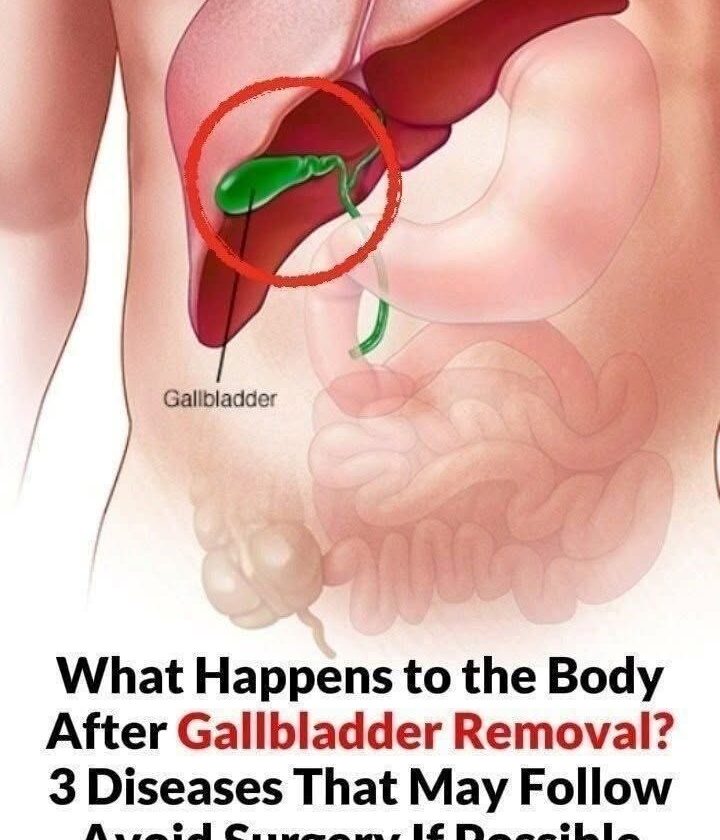
Gallbladder removal surgery (cholecystectomy) is a common procedure and is often recommended when gallstones cause repeated pain, inflammation, infection, or other complications. For many people, it is safe and improves quality of life. However, like any surgery, it can have possible effects and risks.
The idea that you should “avoid the surgery whenever possible” is not correct for everyone. Avoiding a medically necessary gallbladder removal can sometimes lead to serious problems. The decision depends on your symptoms, diagnosis, and overall health.
3 Possible Issues After Gallbladder Removal
1. Digestive Changes (Post-Cholecystectomy Symptoms)
Without a gallbladder, bile flows continuously from the liver into the intestine rather than being stored and released after meals.
Some people may experience:
- Diarrhea
- Bloating
- Gas
- Indigestion
- Discomfort after fatty meals
These symptoms are often manageable with diet adjustments and medical guidance.
2. Bile Acid Diarrhea
Some people develop diarrhea because excess bile acids reach the colon and irritate it.
Possible treatments include:
- Dietary changes
- Medicines that bind bile acids
- Evaluation by a healthcare professional
3. Changes in Fat Digestion
The gallbladder helps the body handle larger amounts of dietary fat. After removal, some people may find they tolerate high-fat meals less well.
Helpful strategies may include:
- Eating smaller meals
- Reducing very greasy foods
- Increasing fiber gradually
When Gallbladder Removal May Be Recommended
Doctors commonly consider surgery for problems such as:
- Repeated painful gallstone attacks
- Gallbladder inflammation (cholecystitis)
- Blocked bile ducts
- Certain gallbladder complications
Can You Avoid Surgery?
In some cases, doctors may recommend monitoring, dietary changes, or other approaches—especially if gallstones are found but are not causing symptoms. However, once complications occur, surgery may be the safest option.
Bottom Line
Gallbladder removal is not something to avoid automatically, nor is it something everyone with gallstones needs immediately. The right choice depends on the individual situation, risks, and benefits. Discussing options with a qualified healthcare professional is the best way to make an informed decision.