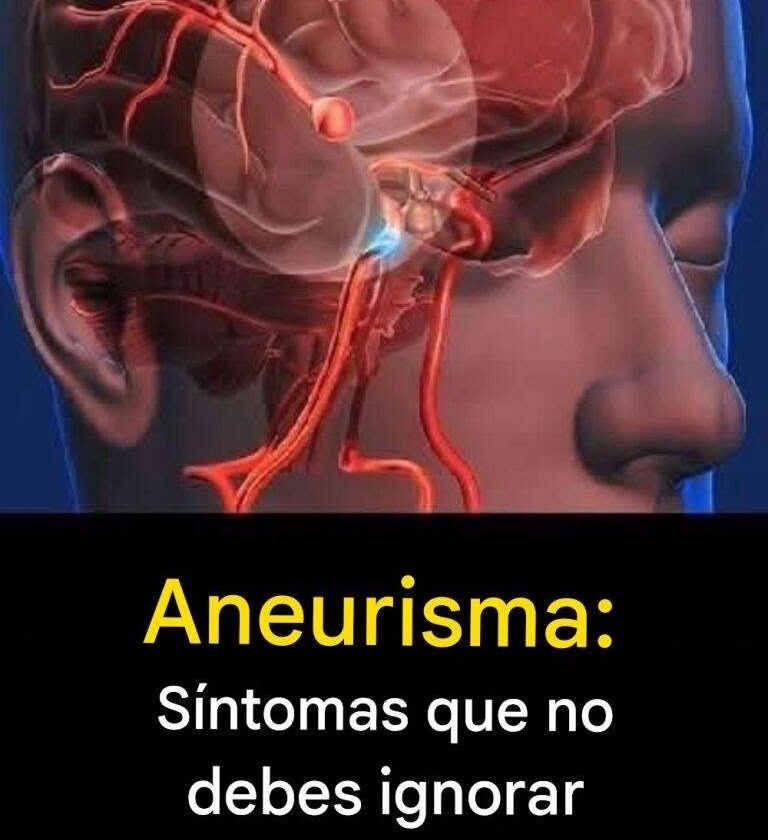
Aneurysm Warning Signs: What You Need to Know and When to Seek Emergency Help
What Is an Aneurysm?
An aneurysm is a bulge or weakening in the wall of a blood vessel, most commonly in:
- the brain (cerebral aneurysm)
- the aorta (aortic aneurysm in chest or abdomen)
If an aneurysm grows or ruptures, it can become a life-threatening emergency.
Important Reality: Many Aneurysms Have No Symptoms
Most aneurysms:
- develop silently
- are found incidentally during scans
- show no warning signs until they enlarge or rupture
That’s why risk factor control is often more important than symptom spotting alone.
Possible Warning Signs (Depending on Location)
1. Brain (Cerebral) Aneurysm
Before rupture (sometimes no symptoms):
- persistent headache
- pain above or behind the eye
- vision changes
- numbness or weakness in one side of the face
- pupil changes or drooping eyelid
If rupture occurs (medical emergency):
- sudden “worst headache of life”
- nausea or vomiting
- stiff neck
- loss of consciousness
- seizures
- confusion
👉 A ruptured brain aneurysm is an emergency requiring immediate care.
2. Aortic Aneurysm (Chest or Abdomen)
Possible warning signs:
- deep, constant chest or back pain
- abdominal or flank pain
- pulsating feeling in the abdomen
- shortness of breath (in chest involvement)
If rupture occurs:
- sudden severe pain (chest, back, or abdomen)
- dizziness or fainting
- low blood pressure
- signs of shock