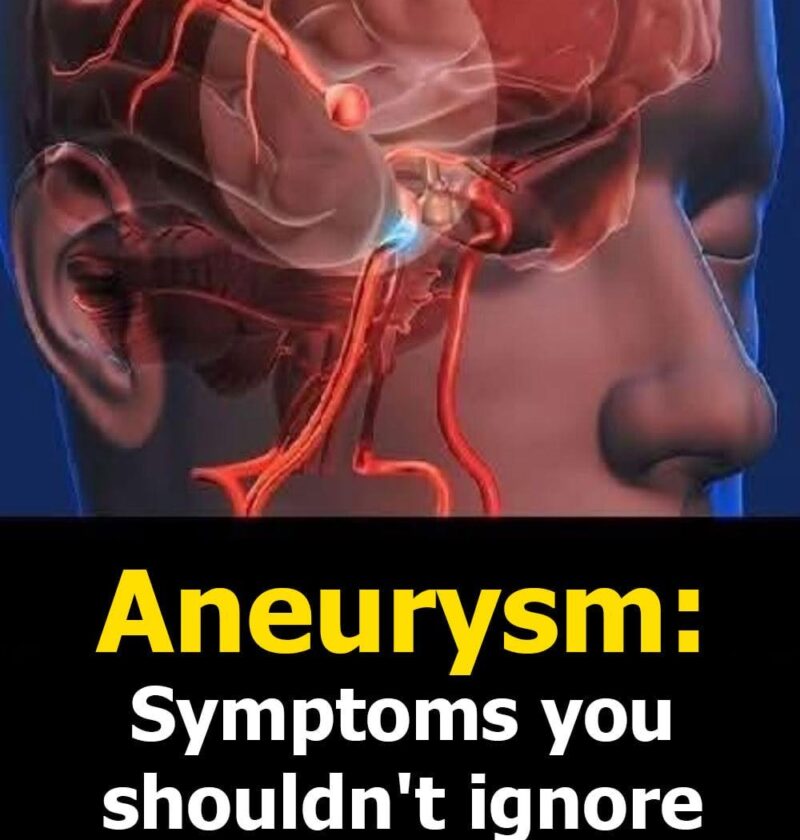
An aneurysm is a weakened, bulging area in a blood vessel. Many aneurysms cause no symptoms at all until they become large, leak, or rupture, which is why they’re often called a “silent” condition.
Common types include:
- Abdominal aortic aneurysm (in the abdomen)
- Thoracic aortic aneurysm (in the chest)
- Brain aneurysm (in the blood vessels of the brain)
Signs that should not be ignored
Possible brain aneurysm symptoms
- Sudden, extremely severe headache (“worst headache of my life”)
- Double or blurred vision
- Drooping eyelid
- Nausea and vomiting
- Neck stiffness
- Seizures
- Loss of consciousness
A ruptured brain aneurysm is a medical emergency.
Possible abdominal aortic aneurysm symptoms
- Deep, persistent pain in the abdomen or back
- A pulsing sensation in the abdomen
- Sudden severe abdominal or back pain if rupture occurs
Possible thoracic aortic aneurysm symptoms
- Chest pain
- Back pain
- Shortness of breath
- Difficulty swallowing
- Hoarseness
Risk factors
- Smoking
- High blood pressure
- Older age
- Family history of aneurysms
- Atherosclerosis (hardening of the arteries)
Emergency warning signs
Call emergency services immediately if someone develops:
- A sudden severe headache
- Sudden collapse or loss of consciousness
- Sudden severe chest, back, or abdominal pain
- Symptoms of shock (pale skin, rapid pulse, confusion)
Important note
Many social media posts imply that a single symptom means you have an aneurysm. In reality, symptoms like headaches, abdominal discomfort, or back pain are common and usually have other causes. What matters is the pattern, severity, associated symptoms, and individual risk factors.
If you’re concerned about a specific symptom or a post you saw, tell me what it said, and I can explain how accurate it is.