Aneurysm: Signs You Shouldn’t Ignore
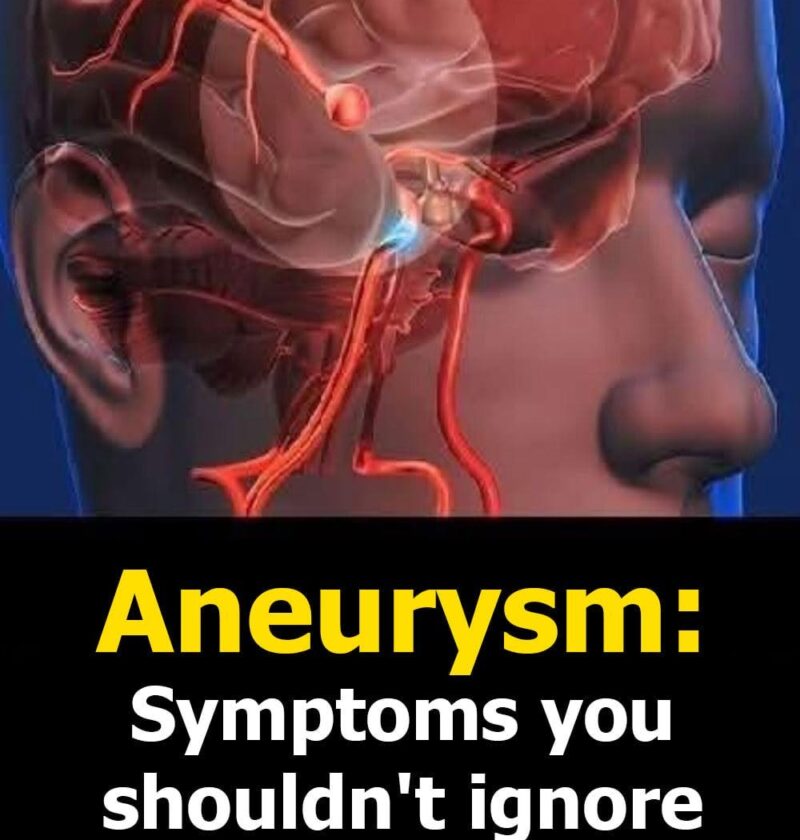
An aneurysm is a bulge or weakening in the wall of a blood vessel. Many aneurysms cause no symptoms and are discovered by chance, but if an aneurysm grows large or ruptures, it can become a life-threatening medical emergency.
What Is an Aneurysm?
An aneurysm can develop in different parts of the body, including:
- The brain (Cerebral aneurysm)
- The body’s main artery, the aorta (Aortic aneurysm)
- Other arteries throughout the body
A rupture can lead to severe internal bleeding and requires immediate medical attention.
Warning Signs of a Brain Aneurysm
An unruptured brain aneurysm may cause no symptoms. However, a leaking or ruptured aneurysm can cause:
Sudden, Severe Headache
Many people describe it as:
“The worst headache of my life.”
This is one of the most important warning signs.
Other Symptoms May Include:
- Nausea and vomiting
- Blurred or double vision
- Sensitivity to light
- Neck pain or stiffness
- Confusion
- Difficulty speaking
- Seizures
- Loss of consciousness
A ruptured brain aneurysm is a medical emergency.
Warning Signs of an Aortic Aneurysm
Symptoms depend on where the aneurysm is located.
Abdominal Aortic Aneurysm
Possible symptoms include:
- Deep abdominal pain
- Back pain
- A pulsating sensation in the abdomen
Thoracic Aortic Aneurysm
Possible symptoms include:
- Chest pain
- Back pain
- Hoarseness
- Shortness of breath
- Difficulty swallowing
A sudden onset of severe pain may indicate a rupture or tear and requires emergency care.
Risk Factors
Factors that can increase the risk of aneurysms include:
- Smoking
- High blood pressure
- Older age
- Family history
- Atherosclerosis (hardening of the arteries)
- Certain inherited connective tissue disorders
When to Seek Emergency Care
Call emergency services or seek immediate medical attention if you experience:
- A sudden, extremely severe headache
- Sudden loss of consciousness
- Severe chest, back, or abdominal pain
- Symptoms of stroke, such as weakness on one side of the body, facial drooping, or difficulty speaking
Can Aneurysms Be Prevented?
While not all aneurysms can be prevented, you can lower your risk by:
- Avoiding tobacco products
- Managing blood pressure
- Exercising regularly
- Following a heart-healthy diet
- Attending recommended medical screenings if you have risk factors
The Bottom Line
Most aneurysms do not cause symptoms until they become large or rupture. Sudden severe headache, unexplained chest or back pain, neurological symptoms, or loss of consciousness are warning signs that should never be ignored. Prompt medical evaluation can be lifesaving.