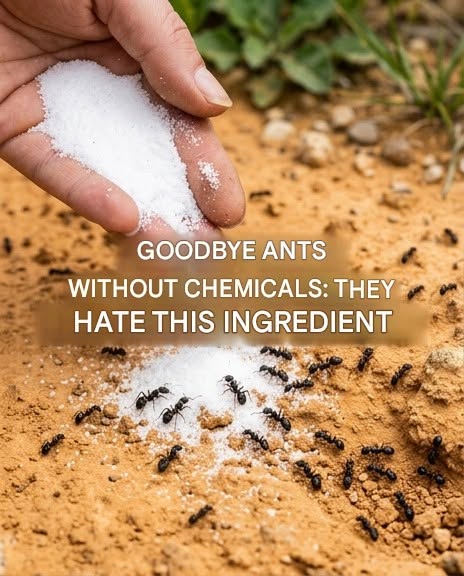
That line—“Ants can’t stand it! Use it to keep them away for good”—is typical clickbait. It usually refers to common household ingredients marketed as “permanent” ant repellents, but the reality is more limited.
What’s true about ants and repellents
Ants (including common house ants like Ant) rely heavily on scent trails. So some strong-smelling substances can temporarily disrupt or discourage them.
Common DIY items people mention:
- Vinegar
- Lemon juice
- Cinnamon
- Peppermint oil
- Baking soda mixtures
These may confuse scent trails or repel ants briefly, but they do not:
- Eliminate the colony
- Provide long-term control
- Prevent future infestations on their own
Why “use it for good” is misleading
Ant infestations are usually driven by:
- Food access
- Moisture
- Entry points in walls/floors
- Nearby colonies
Unless you remove the nest or queen, ants will typically return.
What actually works long-term
For real control:
- Clean up food sources immediately (crumbs, sugar, grease)
- Seal entry points (cracks, windows, pipes)
- Use bait stations (they carry poison back to the colony)
- In severe cases, professional pest control