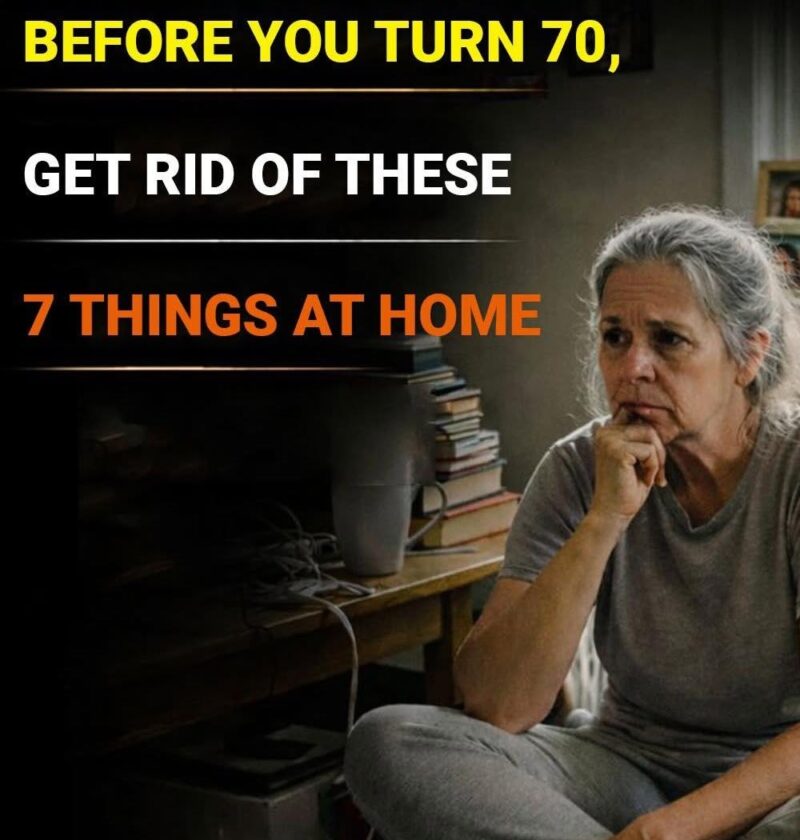
That headline—“Before age 70: household items you should let go of for a better life”—is usually lifestyle clickbait. There’s no medical or scientific rule that says people must discard specific items by a certain age for health.
That said, there are practical safety and comfort reasons older adults (or anyone) may choose to declutter or replace certain household items.
Useful, evidence-based “decluttering” ideas
1. Old or unsafe kitchen tools
- Worn nonstick pans (especially if coating is peeling)
- Damaged knives or broken appliances
Why: injury risk and food safety issues
2. Expired or unused medications/supplements
- Old prescriptions
- Supplements no longer needed
Why: safety, confusion, and side effects
3. Worn-out footwear and mats
- Slippery rugs
- Shoes with poor grip or support
Why: fall prevention (a major concern in older adults)
4. Old electrical items
- Frayed cables
- Overheating heaters or appliances
Why: fire risk
5. Heavy or hard-to-use furniture
- Bulky items that block movement paths
Why: reduces fall risk and improves mobility at home
6. Excess clutter
- Items blocking walkways or stairs
Why: easier movement and lower accident risk
What the clickbait gets wrong
It implies:
- You need a “life reset” at a certain age
- There are secret lists for longevity
- Specific objects directly affect aging
In reality, healthy aging is more about habits than possessions:
- Staying active
- Good sleep
- Balanced diet
- Social engagement
- Preventing falls and injuries at home
Bottom line
There is no “before 70 must-remove list.” But thoughtful decluttering for safety, mobility, and convenience can genuinely improve quality of life at any age.
If you want, I can give a real fall-prevention home checklist for seniors that doctors actually recommend.