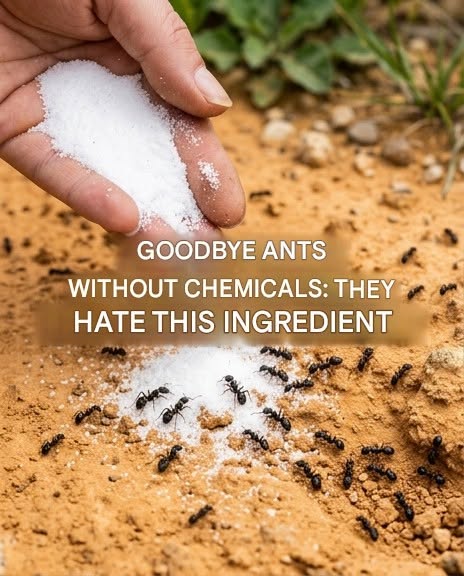
That said, there are a few things ants generally avoid, and a few methods that actually work better than the hype:
What ants are actually reacting to
Ants mainly rely on scent trails (pheromones). If you disrupt or mask those trails, you can reduce activity—but not “solve” an infestation permanently.
Common “natural” repellents (limited but real effect)
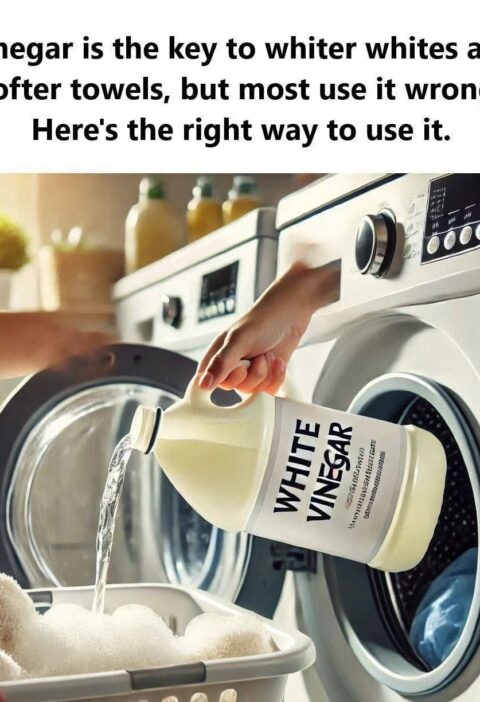
1. Vinegar solution
A mix of vinegar and water can wipe out scent trails temporarily.
It doesn’t kill ants or stop them long-term—it just confuses navigation.
2. Citrus (lemon/orange oil)
Strong citrus oils can disrupt ant trails and mildly repel them.
Again: short-term deterrent, not permanent control.
3. Cinnamon or peppermint oil
These strong smells can discourage ants from crossing treated areas.
Useful as a barrier, not a full solution.
What actually works better
🔹 Find and block entry points
Cracks, window gaps, and pipe openings are the real issue.
🔹 Remove food sources
Even tiny crumbs or sugary residue will keep ants coming back.
🔹 Use bait traps (most effective DIY method)
Ants carry poison back to the colony, which targets the source rather than just the surface trail.
Bottom line
There is no “one ingredient ants can’t stand that keeps them away for good.” Natural scents may temporarily repel them, but lasting control requires removing food access and targeting the colony.
If you want, tell me where the ants are coming from (kitchen, bathroom, garden), and I can suggest a more targeted solution.