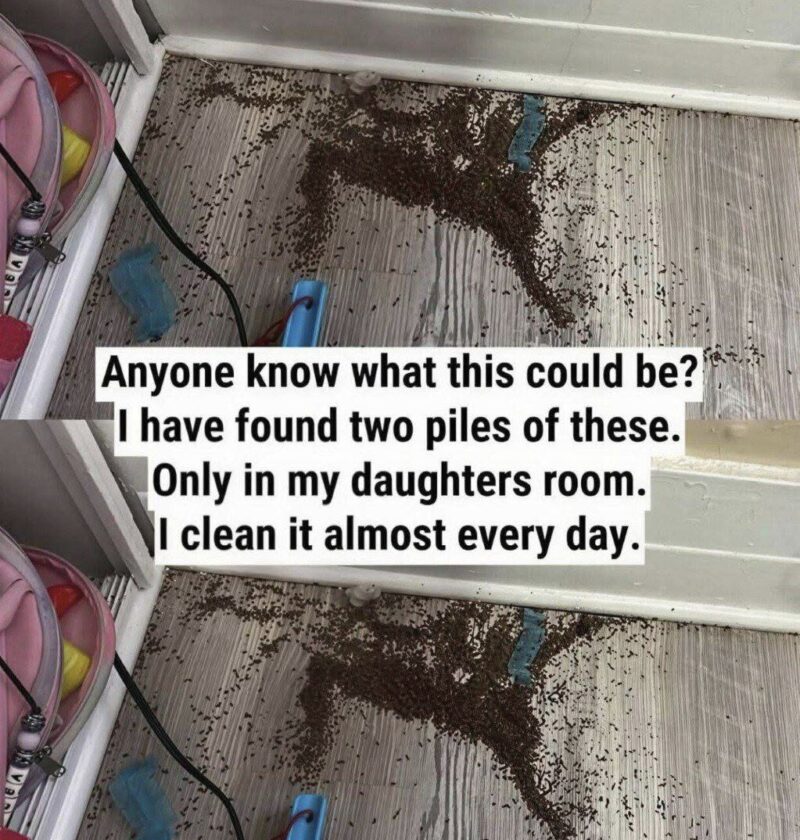
Anyone Know What This Could Be? I Found Two Piles of These in My Daughter’s Room
Discovering an unfamiliar substance or object in your child’s room can be surprising and sometimes concerning. Whether it appears to be small pellets, seeds, powder, droppings, or tiny fragments of an unknown material, finding two unexplained piles naturally raises questions about what it is, where it came from, and whether it poses any risk.
First Reactions: Stay Calm and Observe
Before making assumptions, it is important to carefully examine what you have found. Many mysterious items discovered indoors turn out to be harmless. Children often collect unusual objects, work on craft projects, bring items home from school, or accidentally spill materials without mentioning it.
Take a close look at the piles and note:
- Color and shape
- Size of the individual pieces
- Texture (hard, soft, powdery, sticky, etc.)
- Presence of any odor
- Whether the piles appear intentionally placed or randomly scattered
- Nearby items that could be connected to the material
Documenting these details can help identify the source more accurately.
Common Possibilities
1. Craft or Hobby Materials
Children frequently use beads, clay fragments, glitter, foam pellets, kinetic sand, or other craft supplies. These materials can accumulate in small piles if a container tips over or a project is left unfinished.
2. Food Items
Seeds, cereal pieces, candy sprinkles, pet food, or snack crumbs can sometimes be mistaken for something unusual. If your daughter enjoys snacks in her room, food-related debris is a possibility.
3. Plant or Natural Materials
Leaves, seeds, flower petals, acorns, or other natural objects may be collected during outdoor activities and brought indoors.
4. Pest-Related Evidence
In some cases, small piles can be associated with insects or rodents. Certain pests leave droppings, wood shavings, or debris near nesting or feeding areas. If the material appears repeatedly after cleaning, a pest inspection may be necessary.
5. Household Material Breakdown
Pieces of insulation, foam, drywall, paint chips, or furniture stuffing can collect in piles due to wear, damage, or hidden leaks and structural issues.
Safety Considerations
Until the material is identified, avoid direct contact with bare hands. If necessary:
- Wear disposable gloves.
- Keep children and pets away from the area.
- Place a small sample in a sealed container for examination.
- Wash your hands thoroughly after handling.
If the substance appears chemical, mold-like, or potentially hazardous, consider contacting a professional for inspection.
The Importance of a Photograph
A clear photograph is often the fastest way to identify unknown materials. Close-up images showing texture, color, and scale can help experts determine whether the piles are organic matter, household debris, pest evidence, or something entirely harmless.
For best results, photograph:
- The entire pile
- A close-up view
- An item for size comparison such as a coin or ruler
- The surrounding area where the piles were found
Final Thoughts
Finding unidentified piles of material in a child’s room can be unsettling, but there are many possible explanations ranging from harmless craft supplies to natural debris or household materials. Careful observation and clear photographs are usually the key to identifying the source accurately. If the material continues to appear after cleaning or if there are signs of pests, odors, or damage, further investigation may be needed.
If you can share a photo of the piles, a much more precise identification can be provided.