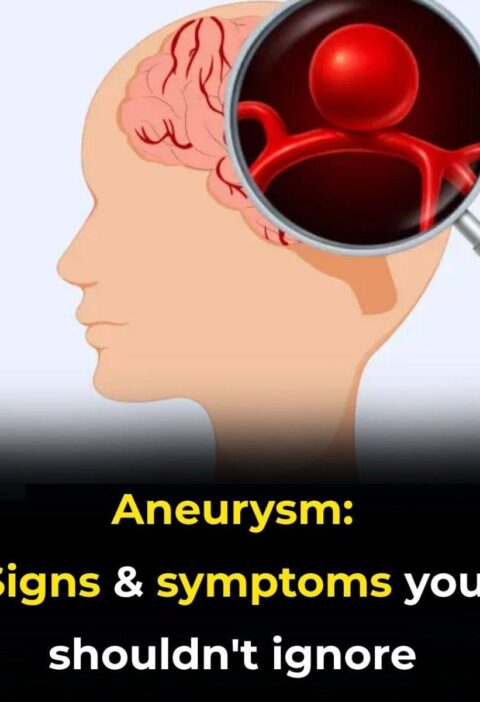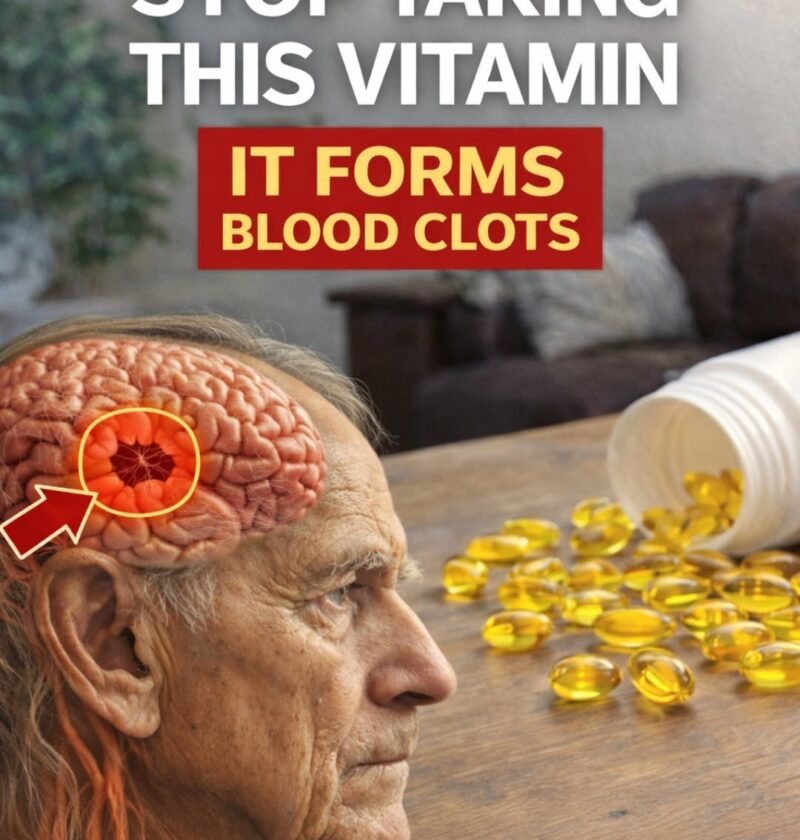
That headline is designed to grab attention. On its own, it’s too vague to be trusted because it doesn’t even name the vitamin or explain the evidence.
What the science actually shows
For most vitamins, there is no evidence that normal recommended doses increase stroke risk in older adults.
However, there are a few situations where concerns have been raised:
⚠️ High-dose Vitamin E
Vitamin E supplements at high doses have been associated in some studies with a slightly increased risk of hemorrhagic (bleeding) stroke, even though they may have other effects on cardiovascular health.
⚠️ Excessive supplementation in general
Taking large amounts of vitamins without a medical reason can cause problems:
- Too much Vitamin D can lead to high calcium levels and kidney issues.
- Too much Vitamin A can be toxic and increase fracture risk in older adults.
- High-dose supplements can sometimes interact with medications such as blood thinners.
What seniors should do
- Don’t assume that “more vitamins = better health.”
- Follow recommended doses unless a clinician advises otherwise.
- Tell your doctor or pharmacist about all supplements you’re taking.
- Be especially cautious with high-dose supplements marketed for “anti-aging,” “brain health,” or “immune boosting.”
Bottom line
A headline claiming that a “common vitamin” raises stroke concerns is usually oversimplifying a much narrower finding. If the vitamin in question is Vitamin E, there is some evidence that high-dose supplementation may increase the risk of bleeding stroke. For most vitamins taken at recommended amounts, there is no comparable general warning.
If you have the full article or the name of the vitamin, I can explain exactly what the research says and whether the concern is justified.