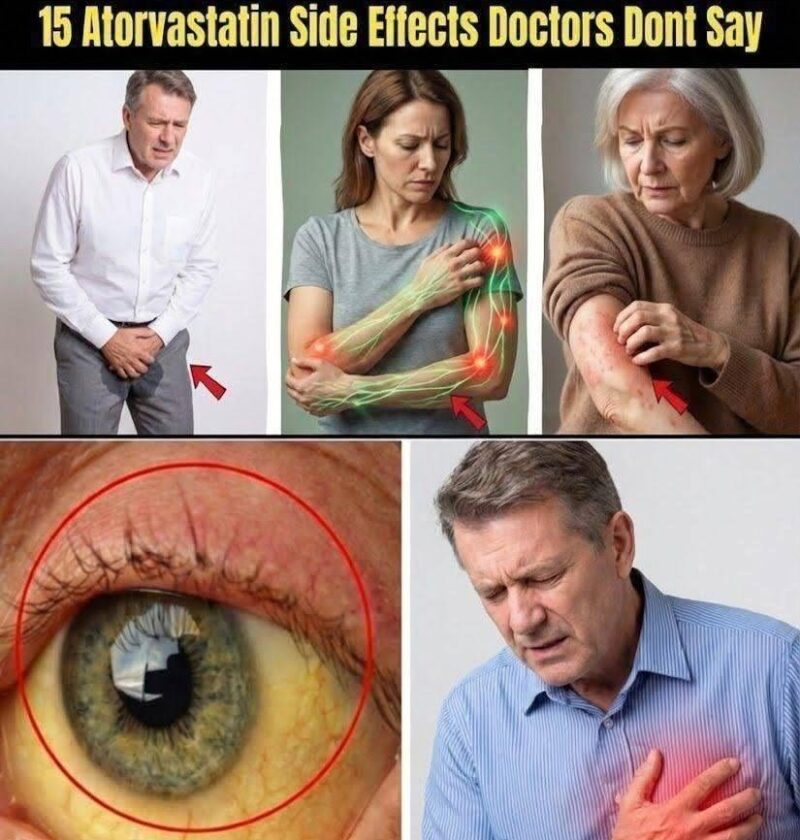
Atorvastatin is a widely used cholesterol-lowering medicine in the statin family, known as Atorvastatin and part of the broader class of Statins. It’s very effective at reducing heart attack and stroke risk, but like all medicines, it can have side effects.
The phrase “hidden dangers” is a bit misleading—most important risks are well-documented and monitored in medical practice. Serious complications are uncommon, and for most people, benefits outweigh risks.
Here are the real, clinically recognized side effects, from common to rare:
Common side effects
These are usually mild and often improve with time:
- Muscle aches or soreness (most discussed effect)
- Mild digestive issues (nausea, constipation, or diarrhea)
- Headache
- Fatigue or general tiredness
Muscle-related effects (important but usually reversible)
Statins can sometimes affect muscle tissue. In rare cases:
- Persistent muscle pain or weakness may occur
- Very rarely, a serious condition called Rhabdomyolysis can develop, where muscle breakdown leads to kidney stress
Warning signs include severe muscle pain, dark urine, or extreme weakness—this requires urgent medical attention.
Liver enzyme changes
Atorvastatin can sometimes increase liver enzymes, reflecting liver stress rather than damage in most cases. Doctors may monitor:
- ALT/AST blood levels
True serious liver injury is extremely rare, but symptoms like yellowing of eyes/skin or dark urine should be checked.
Blood sugar effects
Statins may slightly increase blood sugar levels in some people, which can:
- Raise the risk of developing type 2 diabetes in predisposed individuals (small risk)
- Usually outweighed by cardiovascular benefits
Less common or debated effects
Some people report:
- Memory lapses or “brain fog” (evidence is mixed; usually reversible)
- Sleep disturbances
- Mood changes
Large studies have not confirmed strong causal links in most cases.
Allergic or rare reactions
Very uncommon:
- Rash or itching
- Swelling or hypersensitivity reactions
Who should be more cautious
Extra monitoring may be needed if you:
- Have liver disease
- Drink heavy amounts of alcohol
- Take interacting medications (some antibiotics, antifungals, or HIV drugs)
- Have a history of muscle disorders
Key takeaway
Atorvastatin is generally considered safe and highly protective for heart health. Most side effects are mild, and serious complications are rare but identifiable early with proper monitoring.
If you want, tell me your age, dose, and symptoms (if any), and I can help you interpret whether what you’re experiencing is typical or worth checking with a doctor.