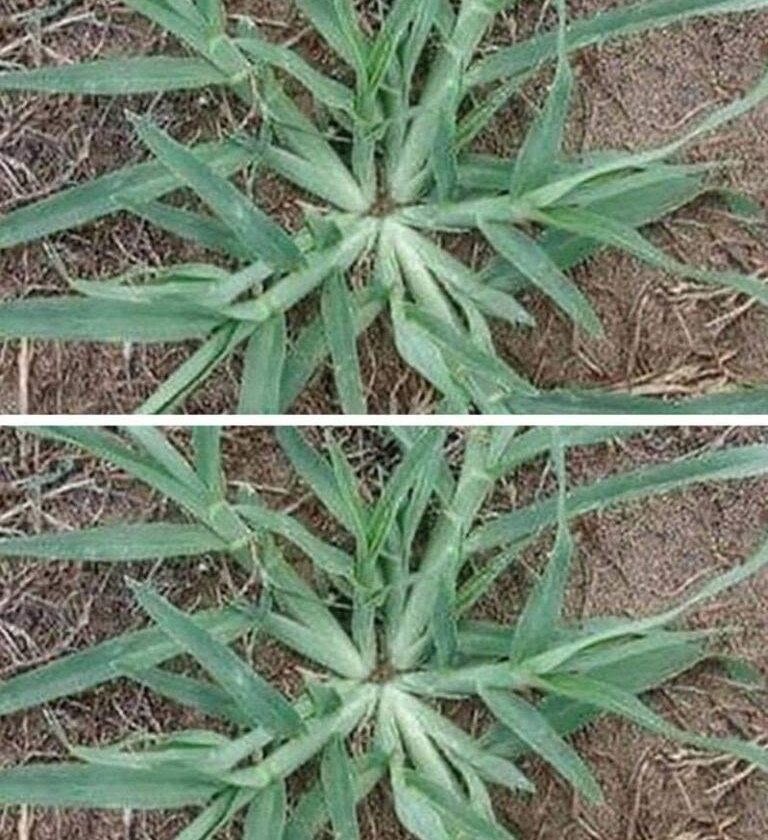
That line is almost always clickbait, not real gardening advice.
There is no plant that you should “never uproot” just because it appears in your garden. Whether a plant stays or goes depends on what it actually is and how it behaves in your soil and climate.
Why you keep seeing this claim
Social media posts often refer to a specific plant but hide its name to get attention. It then turns into a vague warning like:
“Never uproot this plant—it means something important!”
In reality, the advice only makes sense after identifying the plant properly.
What it might be referring to
Sometimes these posts talk about plants that are:
- Useful medicinal herbs in some traditions
- Wild edible greens
- Pollinator-friendly “beneficial weeds”
But even those are context-dependent—they can still become invasive or unwanted in a garden.
The real gardening truth
A plant should be removed if it:
- Spreads aggressively and chokes other plants
- Competes for water and nutrients
- Harbors pests or diseases
- Doesn’t fit your garden purpose
A plant should be kept if it:
- Improves soil or attracts pollinators
- Is intentionally cultivated (herbs, vegetables, ornamentals)
- Supports biodiversity without taking over
Bottom line
There is no universal “do not uproot” plant rule. Without identifying the plant, the claim is meaningless—and sometimes even harmful if it stops you from removing invasive weeds.
If you want, send a photo or describe the plant (leaf shape, flower, where it grows), and I can tell you exactly whether it’s useful, harmless, or invasive in your garden.