Atorvastatin is a statin medication used to lower LDL (“bad”) cholesterol and reduce the risk of heart attack and stroke in people who need cholesterol treatment. Like all medicines, it can cause side effects, although many people take it without serious problems.
Common possible side effects
Some people may experience:
- Muscle aches or soreness
- Joint pain
- Headache
- Diarrhea or constipation
- Nausea or stomach discomfort
- Mild changes in liver enzyme levels (usually found on blood tests rather than felt as symptoms)
Less common but important side effects
1. Muscle problems
- Rarely, statins can cause a serious muscle condition called rhabdomyolysis.
- Seek medical advice promptly if you have:
- Severe muscle pain or weakness
- Muscle pain with fever or feeling very unwell
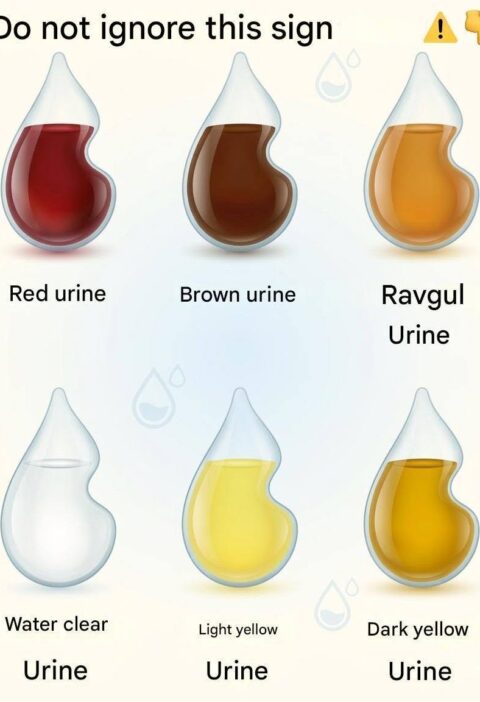
- Dark-colored urine
2. Liver-related problems
Contact a healthcare professional if you develop:
- Yellowing of the skin or eyes
- Dark urine
- Unusual tiredness
- Persistent loss of appetite or upper abdominal pain
3. Blood sugar changes
- Statins can slightly increase blood glucose levels in some people. For most people at risk of heart disease, the cardiovascular benefits outweigh this small risk.
Things that can increase side-effect risk
Tell your healthcare professional if you:
- Have liver disease
- Drink large amounts of alcohol
- Take other medicines or supplements (some can interact)
- Develop unexplained muscle symptoms
Avoid drinking large amounts of grapefruit juice, as it can interact with some statins (the effect depends on the dose and individual circumstances).
Do not stop atorvastatin suddenly
If you are concerned about side effects, discuss them with your prescriber before stopping. They may adjust the dose, check blood tests, or consider alternatives.
If you tell me your dose (for example, 10 mg, 20 mg, 40 mg, or 80 mg) and what symptom you’re worried about, I can give more specific information.