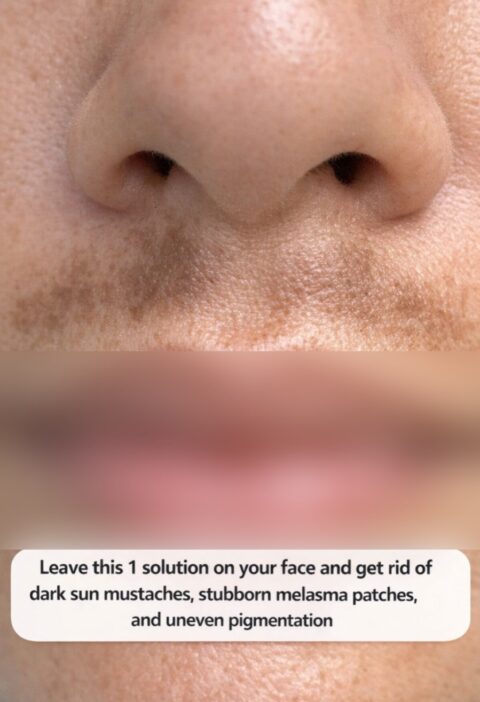
Here’s a clear breakdown of its benefits, risks, and safe-use guidance.
🌿 Potential Benefits of Baking Soda on the Face
1. Mild exfoliation (short-term)
Baking soda has fine particles that can help remove dead skin cells when used as a scrub. This may temporarily make skin feel smoother.
2. Oil absorption
It can reduce surface oil, which may give a “cleaner” or less greasy appearance for a short time.
3. Temporary acne spot drying
Because it is alkaline and mildly drying, it may reduce the appearance of some surface pimples temporarily.
⚠️ Risks and Side Effects
1. Disrupts skin pH
Healthy skin is slightly acidic (around pH 4.5–5.5). Baking soda is highly alkaline (around pH 9).
This can:
- Weaken the skin barrier
- Cause dryness and irritation
- Increase sensitivity
2. Can cause irritation or burns
Especially for:
- Sensitive skin
- Broken or acne-inflamed skin
- Long-term use
Symptoms may include redness, stinging, or peeling.
3. Can worsen acne over time
While it may dry pimples briefly, the damage to the skin barrier can lead to:
- More breakouts
- Slower healing
- Increased oil production as compensation
4. Over-exfoliation
Scrubbing too often can damage skin, leading to micro-tears and inflammation.
🧴 If You Still Want to Use It (Safer Approach)
Dermatologists generally don’t recommend baking soda for facial use, but if someone chooses to try it, safety matters:
✔️ Safer method (occasional use only)
- Mix a tiny amount (½ teaspoon) with plenty of water to form a very thin paste
- Apply gently—do NOT scrub hard
- Leave on for no more than 30–60 seconds
- Rinse thoroughly with lukewarm water
- Apply a gentle moisturizer afterward
⛔ Avoid using it:
- Daily or frequently
- On sensitive or acne-inflamed skin
- Around eyes or broken skin
- As a leave-on mask
👍 Better Alternatives (Recommended)
If your goal is clearer or smoother skin, these are safer and more effective:
- Salicylic acid (BHA) for acne and clogged pores
- Glycolic acid (AHA) for gentle exfoliation
- Clay masks for oil control
- Gentle cleansers designed for facial skin
- Physical exfoliation (very mild, 1–2x/week max