If You Drool While Sleeping Often, It Could Be a Sign of These 6 Health Conditions
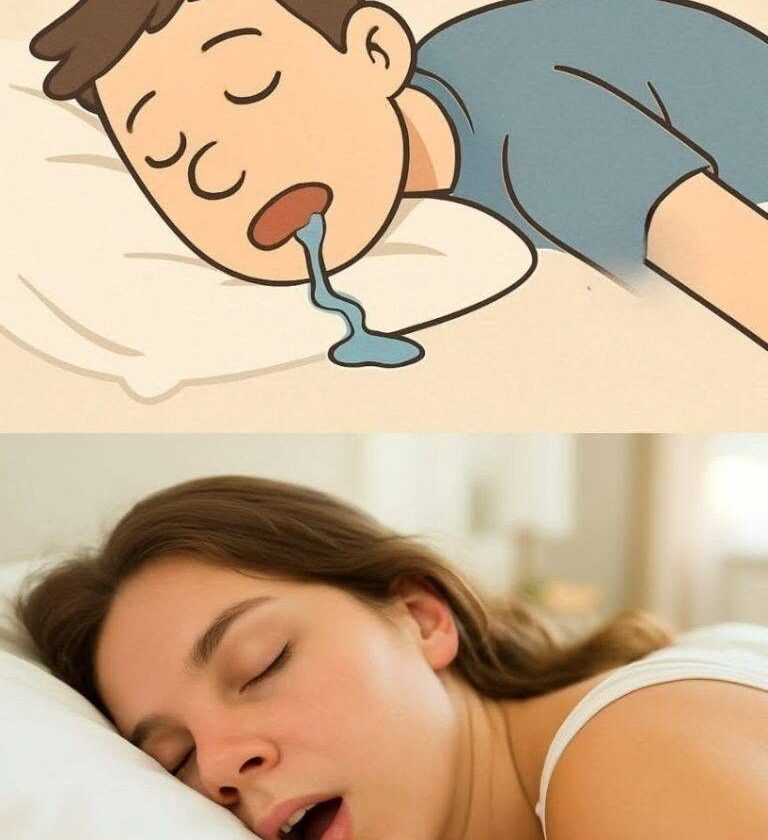
Drooling during sleep is common and can happen to anyone occasionally. It often occurs because the muscles that control swallowing relax while we sleep. However, frequent or excessive drooling may sometimes be linked to underlying health issues, especially if it appears suddenly or comes with other symptoms.
1. Sleep Apnea
Sleep apnea can interrupt normal breathing during sleep and may cause people to breathe through their mouth. This can increase saliva leakage and may be associated with loud snoring, gasping during sleep, morning headaches, or daytime tiredness.
2. Sleeping Position
People who sleep on their side or stomach may be more likely to drool because saliva can escape more easily when the mouth is open. While not a medical condition itself, frequent drooling due to position can sometimes point to relaxed mouth control during sleep.
3. Nasal Congestion or Allergies
A blocked nose can make it harder to breathe through the nose, leading to mouth breathing during sleep. Conditions such as allergies, sinus problems, or colds may contribute to nighttime drooling.
4. Acid Reflux (GERD)
Some people with acid reflux experience increased saliva production, throat irritation, or swallowing changes that may contribute to drooling at night.
5. Neurological Conditions
Certain neurological disorders can affect the muscles involved in swallowing and saliva control. Examples include conditions that affect movement, coordination, or nerve function. Drooling is usually considered along with other symptoms, not by itself.
6. Medication Effects
Some medications can increase saliva production, cause deeper sleep, or affect muscle control, which may contribute to drooling.
When Should You Talk to a Healthcare Professional?
Consider seeking medical advice if drooling is:
- New, sudden, or getting worse
- Associated with trouble swallowing
- Accompanied by facial weakness, speech changes, or confusion
- Happening with loud snoring, breathing pauses, or severe daytime sleepiness
Occasional drooling is usually harmless, but frequent drooling can sometimes provide clues about sleep, breathing, or other health concerns.
I can also turn this into a short viral health post format (“6 warning signs your body is sending while you sleep”) if you want.