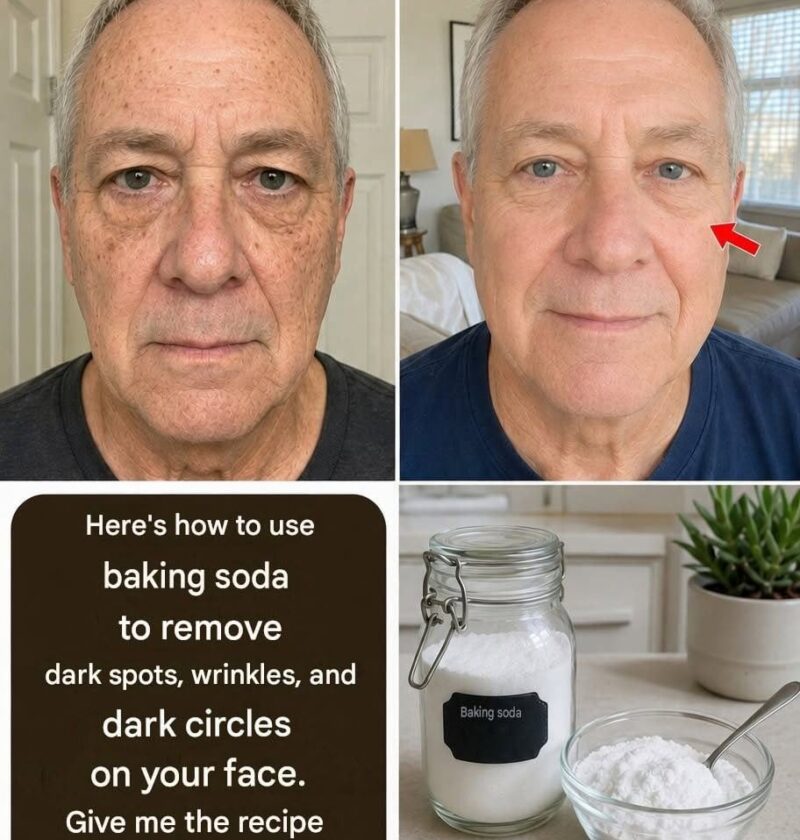
Baking soda (sodium bicarbonate) is sometimes promoted as a facial cleanser or exfoliant, but dermatologists generally do not recommend using it routinely on the face. It can be harsh on the skin and may do more harm than good.
Possible benefits
- Can temporarily remove surface oil.
- Acts as a physical exfoliant, making skin feel smoother immediately.
- May help remove some surface debris.
Risks
- Disrupts the skin barrier: Baking soda is alkaline, while healthy skin is naturally slightly acidic. Regular use can upset this balance.
- Dryness and irritation: It may cause redness, tightness, or peeling.
- Can worsen acne or eczema: Irritated skin is more prone to inflammation.
- Micro-scratches: Vigorous scrubbing can damage the skin surface.
If you choose to use it
- Use it rarely, not as a daily skincare product.
- Gently massage for only a few seconds—don’t scrub hard.
- Rinse thoroughly with lukewarm water.
- Apply a moisturizer afterward.
- Stop using it if you notice burning, redness, or irritation.
- Avoid using it on broken, sunburned, or very sensitive skin.
Gentler alternatives
Instead of baking soda, consider:
- A mild, fragrance-free facial cleanser.
- Products containing lactic acid or polyhydroxy acids for gentle exfoliation.
- Salicylic acid (for oily or acne-prone skin).
- Moisturizers with ceramides or glycerin to support the skin barrier.
About “4 gentle recipes”
Many DIY recipes mix baking soda with ingredients like lemon juice or vinegar. These combinations are not recommended because they can further irritate the skin or disrupt its protective barrier.
If you’re trying to address a specific concern—such as acne, blackheads, oily skin, or dark spots—I can suggest evidence-based skincare options that are generally safer and more effective than baking soda.