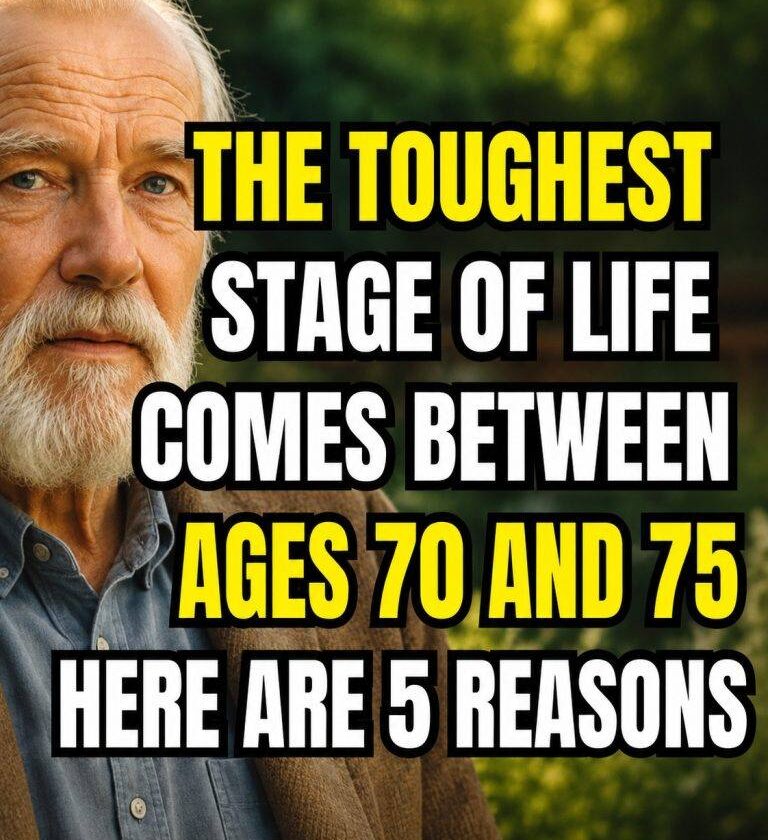
Between ages 70 and 75, people often enter a stage of life where multiple changes start overlapping. Not everyone experiences the same challenges, but there are some common aspects that can make this period more difficult:
One major factor is physical health decline. Chronic conditions such as heart disease, diabetes, arthritis, or reduced mobility often become more noticeable. Recovery from illness or injury also tends to be slower, which can affect independence and confidence in daily activities.
Another challenge is cognitive changes. While many people remain mentally sharp, some may begin to notice slower processing speed, mild memory lapses, or difficulty multitasking. Even subtle changes can feel frustrating, especially when they affect routine tasks.
A third aspect is loss of close relationships. At this age, it becomes more common to experience the death of spouses, siblings, or lifelong friends. This can lead to grief and also reduce social interaction, which affects emotional well-being.
Reduced independence is another important factor. Driving limitations, mobility issues, or needing help with errands and medical care can create a sense of dependence on others. This shift can be emotionally difficult for people who are used to self-sufficiency.
Finally, there is often a psychological adjustment to aging itself. This includes reflecting on life achievements, dealing with retirement-related changes, and sometimes confronting fears about the future or end of life. Without strong support systems, this can lead to feelings of loneliness or anxiety.
If you want, I can also outline ways people can reduce the impact of these challenges and stay active and mentally strong in this age range.