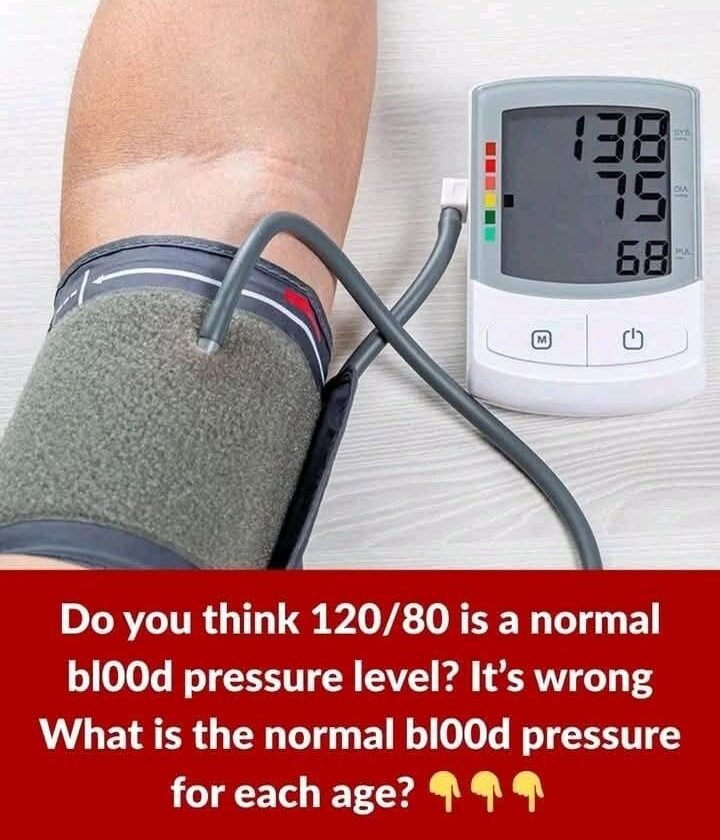
The idea that there is one “normal blood pressure number” for each age is a common misconception. Blood pressure does tend to change with age, but there is no official chart where every age has a different ideal value. For most adults, healthy targets are based on overall health, risk factors, and medical history.
A general guide:
| Age group | Generally healthy blood pressure range (approx.) |
|---|---|
| Children & teens | Varies widely by age, height, and sex; needs pediatric charts |
| Adults (18+) | Around below 120/80 mmHg is considered normal |
| Older adults (65+) | Often still aim for below 130/80 mmHg, but targets may be individualized |
Blood pressure categories for adults (commonly used guidelines):
- Normal: Less than 120/80 mmHg
- Elevated: 120–129 / less than 80 mmHg
- High blood pressure (Stage 1): 130–139 or 80–89 mmHg
- High blood pressure (Stage 2): 140 or higher or 90 or higher
A single reading does not always mean you have high blood pressure. It is usually diagnosed based on multiple readings taken on different occasions.
Factors that affect what a healthy target should be include:
- Heart disease history
- Diabetes
- Kidney disease
- Medications
- Overall health and age-related risks
If you share the person’s age, blood pressure reading (for example 145/90), and whether they have diabetes, kidney disease, or heart problems, I can help interpret what that number may mean.