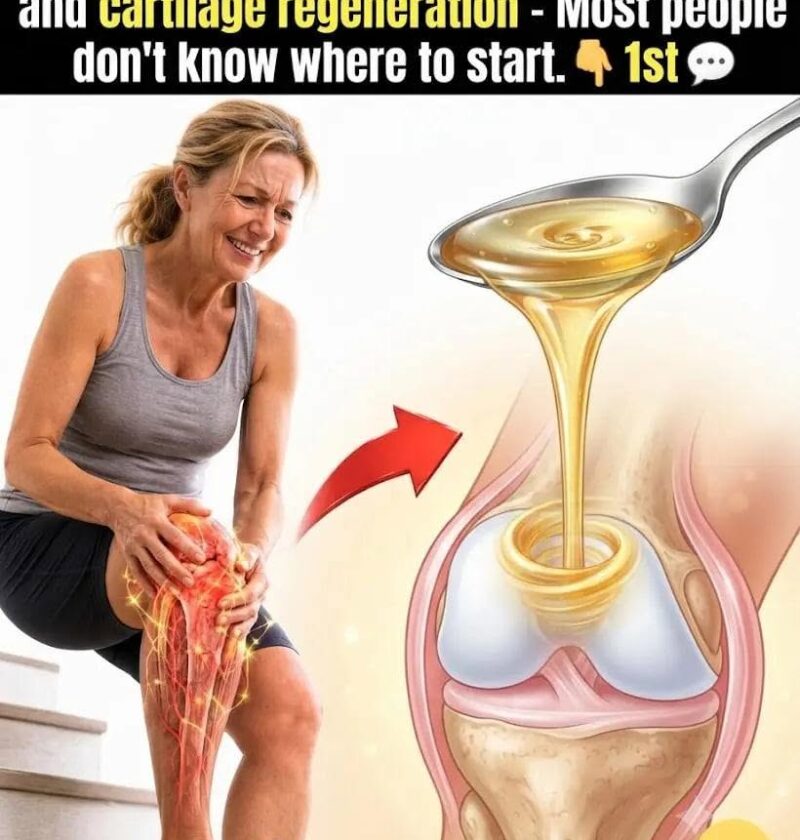
There is no food that can “heal” knee damage or rebuild lost cartilage by itself, but a nutrient-rich diet can support joint health, reduce inflammation, maintain muscle, and provide building blocks your body uses for connective tissues.
Here are 10 foods that may support healthier knees:
1. Fatty fish
Examples: salmon, sardines, trout, mackerel
- Rich in omega-3 fatty acids, which may help support a healthy inflammatory response.
2. Extra-virgin olive oil
- A key part of a Mediterranean-style eating pattern.
- Provides healthy fats and plant compounds linked with heart and joint health.
3. Berries
Examples: blueberries, strawberries, cherries
- Rich in antioxidants that help protect cells from oxidative stress.
4. Leafy green vegetables
Examples: spinach, kale, broccoli
- Provide vitamin K, vitamin C, magnesium, and other nutrients important for bones and connective tissues.
5. Citrus fruits
Examples: oranges, grapefruit, lemons
- High in vitamin C, which the body needs to make collagen.
6. Nuts and seeds
Examples: walnuts, almonds, flaxseed, chia seeds
- Provide healthy fats, minerals, and fiber.
7. Beans and lentils
- Provide plant-based protein and minerals that help maintain muscles supporting the knees.
8. Yogurt and other calcium-rich foods
- Support strong bones around the joint.
- Fortified foods may also provide vitamin D.
9. Cruciferous vegetables
Examples: broccoli, cabbage, cauliflower
- Contain plant compounds that may support healthy inflammation control.
10. Ginger and turmeric
- Commonly used in diets for their anti-inflammatory compounds.
- They may help some people with discomfort, but they do not regrow cartilage.
Other habits that matter for knee health:
✅ Strengthen the muscles around the knee (especially thighs)
✅ Maintain a healthy weight if needed to reduce joint stress
✅ Stay active with low-impact exercise
✅ Get enough protein, sleep, and vitamin D when appropriate
If knee pain is from osteoarthritis, an injury, swelling, or another condition, the best treatment depends on the cause. Persistent swelling, locking, instability, or worsening pain should be checked by a healthcare professional.