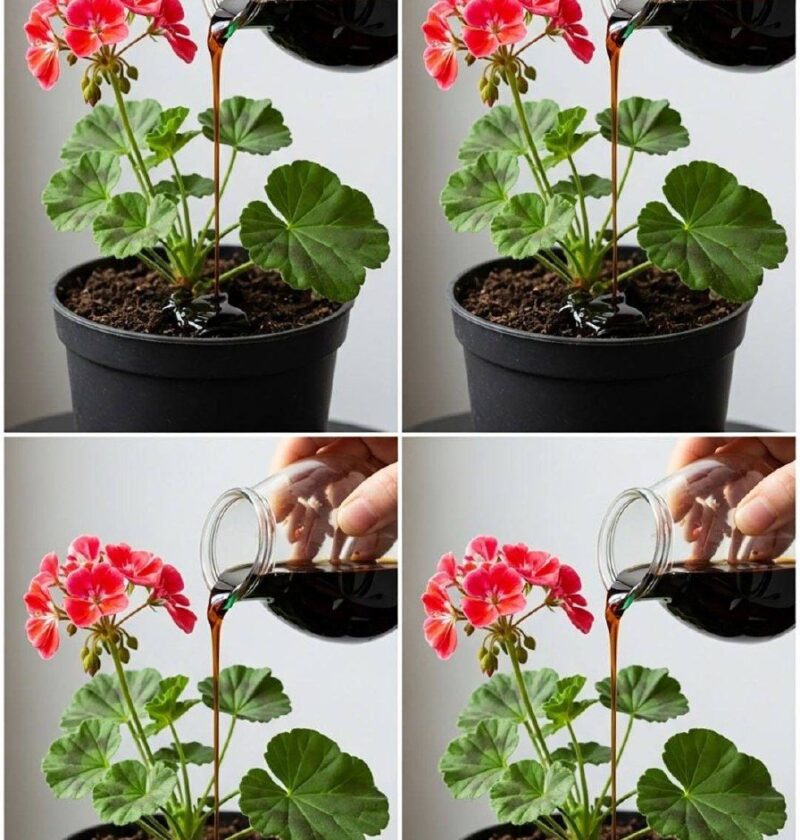
Months
🌿 Understanding the Secret Behind Long-Lasting Geranium Flowers
Geraniums, often known botanically as Pelargoniums, are among the most popular flowering plants for gardens, balconies, and indoor spaces. Their bright, cheerful blooms and low-maintenance nature make them a favorite worldwide. However, many gardeners notice that flowering slows down after a few weeks or months.
The key to keeping geraniums blooming almost continuously lies not in a single trick, but in a combination of consistent care practices that support healthy growth and encourage repeat flowering. When their basic needs are met properly—light, pruning, feeding, and watering—these plants can produce flowers for a remarkably long period, sometimes nearly year-round in mild climates or indoor environments.
Understanding how geraniums grow is the first step. These plants naturally cycle between growth and blooming phases. If conditions are ideal, they reduce rest periods and continue producing fresh buds. But if stressed or neglected, they shift energy into survival mode rather than flowering.
☀️ Maximizing Sunlight Exposure for Continuous Blooming
One of the most important factors influencing geranium flowering is sunlight. These plants thrive in bright light conditions and perform best when exposed to at least 5–6 hours of direct sunlight daily.
When geraniums receive insufficient light, they tend to produce lush green foliage but fewer flowers. This is because the plant prioritizes leaf growth to capture more light energy. On the other hand, strong sunlight encourages bud formation and more frequent blooming cycles.
For indoor gardeners, placing geraniums near a south-facing or bright east-facing window can significantly improve flowering performance. Outdoor plants should be positioned in open areas where they are not shaded by trees, walls, or other tall plants.
In regions with extremely hot summers, some light afternoon shade can help prevent stress, but morning sunlight remains essential for flower production.
🌱 The Role of Proper Watering in Flower Production
Water management plays a crucial role in maintaining healthy geranium blooms. These plants prefer a balanced moisture level—not too dry and not overly wet.
Overwatering is one of the most common mistakes. Excess moisture can lead to root problems and reduced flowering. When the soil remains constantly wet, the plant often focuses on maintaining root health rather than producing flowers.
A better approach is to allow the top layer of soil to dry slightly before watering again. This encourages strong root development and supports consistent blooming cycles.
At the same time, allowing the plant to dry out completely for long periods can also cause stress and flower drop. The goal is consistency rather than extremes.
Good drainage is essential. Whether grown in pots or garden beds, geraniums perform best in soil that allows excess water to escape easily.
🌼 Encouraging More Flowers Through Deadheading
Deadheading is one of the simplest yet most powerful techniques for extending geranium bloom time. This involves removing faded or spent flowers regularly.
When old flowers remain on the plant, it begins to focus its energy on seed production. This naturally reduces the formation of new buds. By removing these fading blooms, you redirect the plant’s energy back into producing fresh flowers.
This process should be done consistently throughout the growing season. Even a few minutes every few days can make a noticeable difference in how long the plant continues to bloom.
🌿 Pruning Techniques to Stimulate Continuous Growth
Light pruning helps keep geranium plants compact, healthy, and more productive. Over time, stems may become long, thin, or “leggy,” especially if light levels fluctuate.
Trimming back these stems encourages branching. More branches mean more potential flowering points, resulting in a fuller and more vibrant plant.
Pruning also helps remove older growth that may no longer produce flowers efficiently. Regular shaping of the plant improves air circulation and overall plant health, both of which support long-term blooming.
The best time to prune lightly is during active growth periods. Avoid heavy pruning during stress conditions such as extreme heat or cold.
🌾 Feeding and Nutrient Balance for Better Flowering
Fertilizing geraniums correctly is essential for sustained blooming. However, more fertilizer does not always mean more flowers.
A common mistake is using fertilizers high in nitrogen, which promotes leafy growth but reduces flowering. Instead, geraniums benefit more from balanced feeding that supports both root strength and flower development.
Applying a fertilizer that supports blooming encourages the plant to produce more buds rather than excessive foliage. Feeding should be done regularly but in moderation, especially during active growth periods.
Overfeeding can lead to weak, soft growth, while underfeeding can reduce overall vitality and flower production.
🌡️ Temperature and Seasonal Care for Extended Blooms
Geraniums prefer moderate temperatures. Extreme heat or cold can temporarily slow down flowering cycles.
In warm climates, they may continue blooming for most of the year if properly cared for. In colder regions, growth slows or stops during winter unless plants are moved indoors.
When kept indoors during cooler months in a bright location, geraniums can often continue producing flowers, although at a slower pace.
Avoid exposing plants to sudden temperature changes, as this can stress them and reduce blooming frequency.
🌺 Creating the Ideal Environment for Long-Term Flowering
When all care factors are combined—sunlight, watering, pruning, feeding, and temperature control—geraniums can produce flowers almost continuously for long periods.
The secret is consistency. These plants respond best to stable care routines rather than irregular or extreme changes. Once they adapt to a healthy environment, they reward gardeners with frequent and colorful blooms.
🌸 Part 2: Simple Step-by-Step Geranium Blooming Care Guide
🌿 Easy Daily & Weekly Routine
Ingredients / Requirements (Care Tools):
- Geranium plant (Pelargonium)
- Well-draining soil
- Watering can
- Balanced liquid fertilizer
- Clean pruning scissors
🌼 Simple Care Steps
- Place geranium in a bright sunny spot (5–6 hours sunlight daily).
- Water only when the top soil feels slightly dry.
- Remove faded flowers regularly (deadheading).
- Trim long or weak stems every few weeks.
- Apply balanced fertilizer during growing season in small amounts.
- Keep plant in moderate temperature conditions.
- Ensure pot or soil has proper drainage.
🌺 Result
With consistent care, your geranium will stay healthier, fuller, and produce flowers for a much longer time.