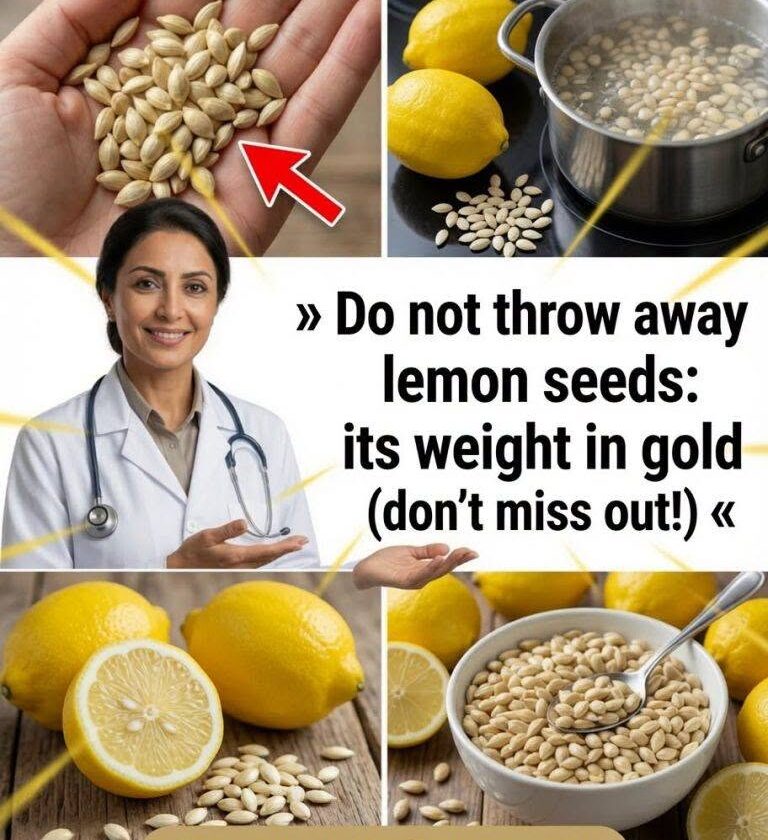
That claim is another typical exaggeration. Lemon seeds are not a “natural treasure” in any special medical sense, and there is no solid scientific evidence that they provide major health benefits that would make them worth saving after juicing.
🍋 What lemon seeds actually are
Lemon seeds mainly contain:
- Fiber (small amount)
- Fats and proteins (very minor)
- Plant compounds like flavonoids (in trace amounts)
They are not toxic, but they are also not particularly valuable nutritionally compared to the lemon juice or zest.
⚠️ Why people say they’re “a treasure”
Some online claims suggest lemon seeds:
- “detox the body”
- “kill parasites”
- “treat cancer”
- “boost immunity”
These claims are not supported by clinical research. They usually come from wellness blogs or social media, not medical studies.
🧪 What research actually says
- Citrus seeds have been studied for some plant compounds in lab settings
- But there is no evidence in humans that eating lemon seeds provides meaningful health effects
- No reputable medical organization recommends consuming them for treatment or prevention of disease
🍽️ Should you eat them or discard them?
- Accidentally swallowing a few is harmless
- They can taste bitter and are not commonly eaten
- Most people simply discard them for convenience
- They are not harmful, just not especially useful
✔️ What is valuable in lemons
- Juice → vitamin C, flavor
- Zest (peel) → aromatic oils and beneficial compounds
- Pulp → fiber and nutrients
Bottom line
Lemon seeds are not dangerous, but also not a “hidden superfood”. The “don’t throw them away” message is mostly clickbait designed to sound like a secret health discovery.
If you want, I can break down other common “natural treasure” claims (like garlic seeds, apple seeds, or turmeric hacks) and what science actually says about them.