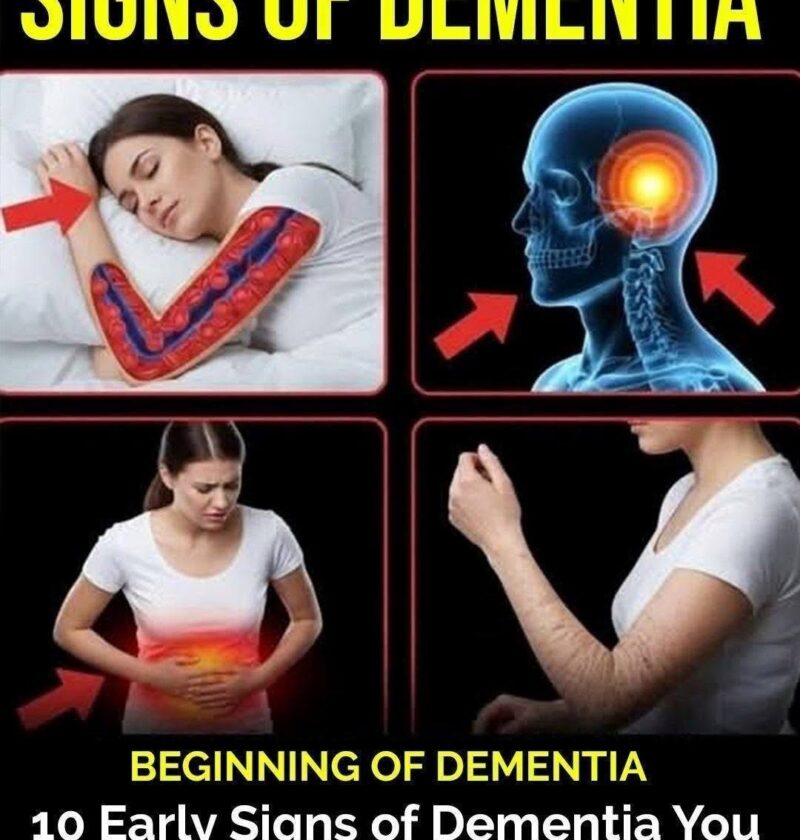
Early signs of dementia can be subtle and are often mistaken for normal aging, stress, poor sleep, or other health issues. Dementia is not a single disease—it is a group of conditions that affect memory, thinking, behavior, and the ability to carry out daily activities.
Early signs to watch for
1. Memory problems that disrupt daily life
- Frequently forgetting recently learned information
- Repeatedly asking the same questions
- Relying more on notes or reminders than before
2. Difficulty with planning or problem-solving
- Trouble following familiar recipes
- Difficulty managing finances or paying bills
- Taking much longer to complete familiar tasks
3. Problems performing familiar activities
- Getting confused while driving a familiar route
- Difficulty operating household appliances previously used without trouble
4. Confusion about time or place
- Losing track of dates or seasons
- Forgetting where they are or how they got there
5. Language difficulties
- Trouble finding the right words
- Losing the thread of conversations
- Repeating themselves more often
6. Misplacing things and being unable to retrace steps
- Putting items in unusual places
- Accusing others of taking things because they cannot find them
7. Changes in judgment
- Poor financial decisions
- Neglecting personal hygiene
- Being unusually trusting of scams
8. Changes in mood or personality
- Increased anxiety, irritability, suspicion, or apathy
- Withdrawing from social activities
What to do if you notice these signs
If the changes are persistent or worsening:
- Schedule an evaluation with a healthcare professional.
- Bring specific examples of the symptoms.
- Review medications, sleep habits, hearing, vision, and overall health.
Some conditions can cause dementia-like symptoms but may be treatable, including:
- Vitamin B12 deficiency
- Thyroid disorders
- Depression
- Medication side effects
- Sleep disorders
- Certain infections
Why it matters
Early evaluation can:
- Identify reversible causes of cognitive symptoms
- Allow earlier treatment and support
- Help with planning, safety, and maintaining independence
- Provide access to resources and clinical care sooner
What is normal aging vs. a warning sign?
Normal aging:
- Occasionally forgetting a name but remembering it later
- Sometimes misplacing items
Potential warning sign:
- Frequently forgetting important information
- Repeatedly getting lost in familiar places
- Increasing difficulty managing everyday responsibilities
If you’re concerned about yourself or a family member, keeping a written record of specific changes over a few weeks can be very helpful when discussing symptoms with a healthcare professional.