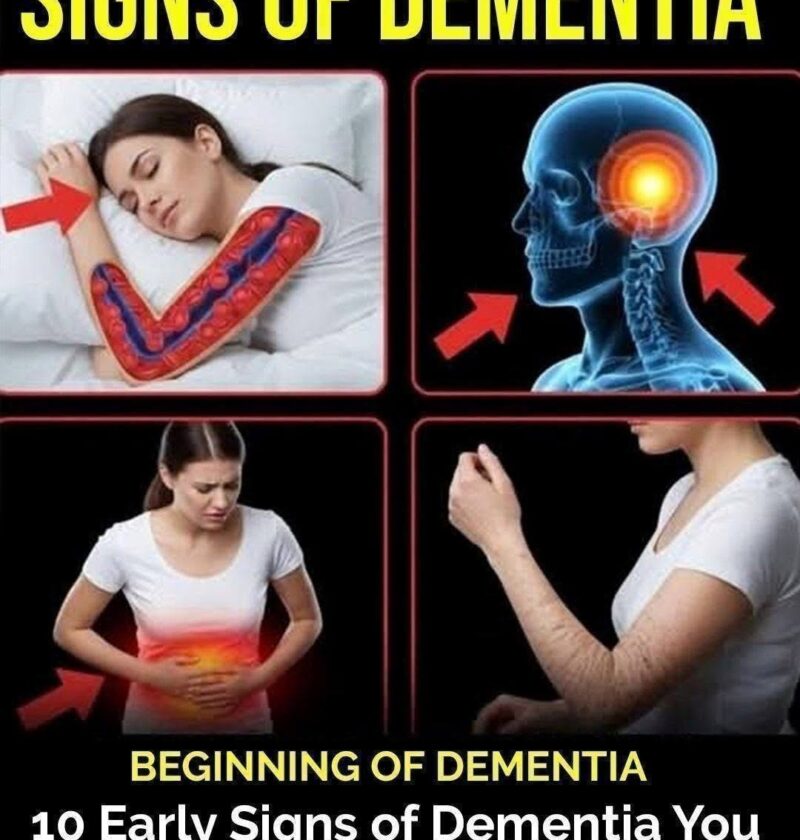
Dementia isn’t a single disease—it’s an umbrella term for conditions that affect memory, thinking, and daily functioning. The most common type is Alzheimer’s disease, but there are others like vascular and Lewy body dementia.
Recognizing early signs matters because some causes are treatable or manageable, and early support can slow decline and improve quality of life.
🧠 Early signs to notice
1. Memory changes that affect daily life
- Forgetting recent conversations or events repeatedly
- Asking the same questions again and again
- Relying heavily on notes or family reminders
2. Difficulty planning or solving problems
- Trouble following recipes or managing bills
- Making more mistakes with familiar tasks
- Slower thinking than usual
3. Confusion with time or place
- Losing track of dates or seasons
- Getting confused about where they are, even in familiar places
4. Language and communication problems
- Struggling to find common words
- Stopping mid-sentence or repeating phrases
- Difficulty following conversations
5. Poor judgment or decision-making
- Unusual financial decisions or scams
- Neglecting hygiene or self-care
- Acting out of character socially
6. Mood and personality changes
- Increased anxiety, irritability, or suspicion
- Withdrawal from friends or hobbies
- Apathy or loss of interest
⚠️ What to do if you notice these signs
- Don’t assume it’s normal aging if it affects daily life
- Encourage a medical evaluation (primary care doctor or neurologist)
- Ask about screening for reversible causes (like vitamin deficiencies, thyroid issues, medication side effects, depression)
- Keep a written log of symptoms and changes over time
🧪 Why early diagnosis matters
Early assessment can help:
- Identify treatable conditions that mimic dementia
- Start medications that may slow symptoms in some cases
- Plan for future care and support
- Reduce stress for both the person and family
🧠 Important reassurance
Some memory issues are not dementia, such as:
- Stress or anxiety
- Poor sleep
- Depression
- Medication side effects
- Normal age-related forgetfulness (like misplacing items occasionally)
The key difference is whether symptoms interfere with daily functioning and worsen over time.
✔️ Bottom line
Early dementia signs are usually about consistent changes in memory, thinking, and daily function, not occasional forgetfulness. Noticing them early gives the best chance for support, treatment, and planning.
If you want, I can also explain:
- early signs vs normal aging in more detail
- or how doctors diagnose dementia step-by-step
- or ways to reduce dementia risk through lifestyle habits