What Are Foodborne Parasites?
Foodborne parasites are organisms that live in or on another living host to survive. They can enter the human body through contaminated food or water and may cause a variety of illnesses ranging from mild digestive discomfort to severe organ damage. Common foodborne parasites include tapeworms, roundworms, and protozoa.
Many infections go unnoticed initially because symptoms may take days, weeks, or even months to appear. Once established, some parasites can survive in the body for extended periods if left untreated.
Common Foods That May Carry Parasites
1. Undercooked or Raw Meat and Fish
Raw or undercooked animal products are among the most common sources of parasitic infections.
Pork
- May contain Trichinella spiralis.
- Causes trichinosis, which can lead to muscle pain, fever, fatigue, and swelling around the eyes.
Beef
- Can harbor beef tapeworms (Taenia saginata).
- Infection may cause abdominal discomfort, weight loss, and digestive issues.
Fish
- Certain species such as salmon, herring, and cod may contain Anisakis worms.
- Symptoms can include severe stomach pain, nausea, vomiting, and allergic reactions.
Sushi and Sashimi
- While generally safe when prepared according to food safety standards, improperly handled raw fish can contain parasites if it has not been adequately frozen beforehand.
2. Raw or Undercooked Shellfish
Shellfish such as oysters, clams, and mussels are filter feeders, meaning they process large amounts of water. If the water is contaminated, parasites and other pathogens can accumulate within them.
Potential consequences include:
- Diarrhea
- Abdominal cramps
- Nausea
- Long-term complications affecting the liver or lungs in severe cases
3. Unwashed Fruits and Vegetables
Fresh produce is essential for a healthy diet, but it can sometimes carry parasites if contaminated by soil, animal waste, or untreated irrigation water.
Foods commonly associated with contamination include:
- Leafy greens
- Berries
- Fresh herbs
Possible parasites include:
- Cyclospora
- Giardia
- Toxoplasma
Thorough washing helps reduce risk, although it may not eliminate all contaminants.
4. Unpasteurized Dairy Products and Juices
Raw milk, soft cheeses made from unpasteurized milk, and unpasteurized fruit juices may contain harmful microorganisms.
Risks include exposure to:
- Cryptosporidium
- Harmful bacteria such as E. coli
- Listeria
Pasteurization is an effective process that destroys many dangerous pathogens and parasites.
5. Contaminated Water and Ice
Unsafe drinking water remains one of the leading causes of parasitic infections worldwide.
Risk factors include:
- Untreated well water
- Contaminated municipal supplies
- Ice made from unsafe water
- Washing food with contaminated water
Travelers should be especially cautious in areas where water sanitation systems may be inadequate.
Symptoms of Parasitic Infection
Symptoms vary depending on the parasite involved but may include:
- Abdominal pain
- Diarrhea
- Nausea and vomiting
- Fatigue
- Fever
- Weight loss
- Muscle aches
- Bloating
- Loss of appetite
Severe infections can affect organs such as the liver, lungs, brain, or muscles and may require medical treatment.
How to Protect Yourself
Cook Food Thoroughly
- Cook pork, beef, poultry, and seafood to recommended safe temperatures.
- Avoid consuming undercooked meat.
- Reheat leftovers properly before eating.
Practice Safe Seafood Consumption
- Purchase seafood from reputable suppliers.
- Ensure raw fish intended for sushi has been handled according to food safety guidelines.
- Avoid raw shellfish if you have a weakened immune system.
Wash Produce Carefully
- Rinse fruits and vegetables under clean running water.
- Scrub firm produce when appropriate.
- Remove damaged or bruised sections.
Choose Pasteurized Products
- Buy pasteurized milk, cheese, and juices whenever possible.
- Check product labels carefully before purchasing.
Drink Safe Water
- Use filtered, boiled, or bottled water when water quality is uncertain.
- Avoid ice from unknown sources while traveling.
- Use safe water for washing fruits and vegetables.
Prevent Cross-Contamination
- Wash hands with soap before handling food.
- Use separate cutting boards for raw meat and fresh produce.
- Clean kitchen surfaces regularly.
Who Is Most at Risk?
Certain groups are more vulnerable to severe complications from parasitic infections:
- Young children
- Pregnant women
- Older adults
- People with weakened immune systems
- Individuals with chronic illnesses
These groups should be particularly careful about food preparation and consumption.
Conclusion
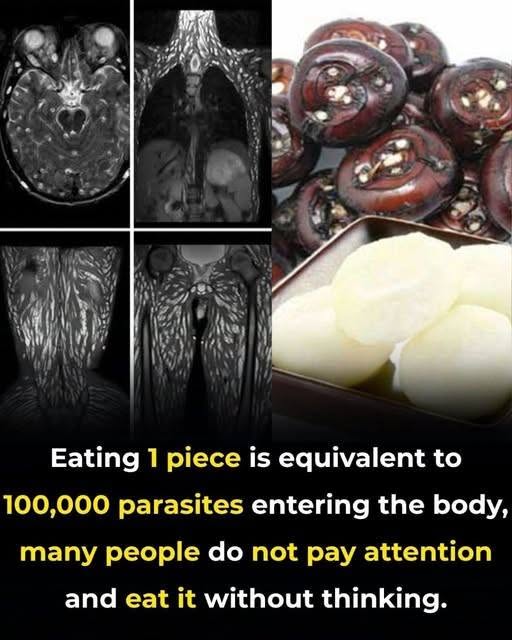
Foodborne parasites are an often-overlooked health risk that can sometimes be transmitted through a single contaminated bite. Although most food consumed today is safe when properly prepared, risks still exist in raw or undercooked meats, seafood, unwashed produce, unpasteurized products, and contaminated water. By following proper food safety practices—cooking foods thoroughly, washing produce, choosing pasteurized products, and drinking safe water—you can greatly reduce the risk of infection and protect your health and that of your family.